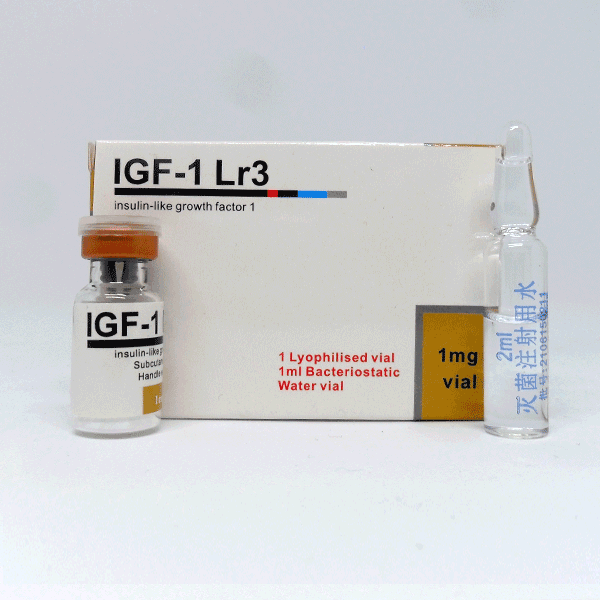
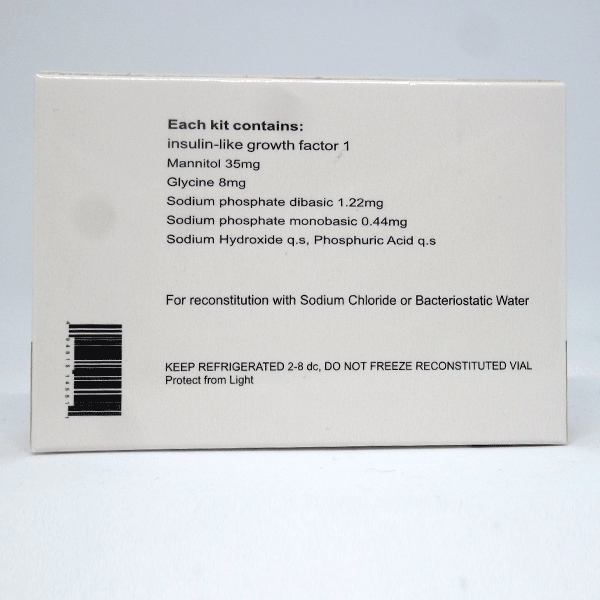
IGF-1 LR3 (1 mg)
€ 95,00
In StockBuy premium IGF-1 LR3 | Novo online. High purity, lab-tested, and fast shipping. Unlock new muscle growth with LR3. Order IGF-1 LR3 securely today!
Acne
Yes
Half-Life
20-30 Hours
Dosage
20-50 mcg Daily
Detection Time
3-7 Days
Aromatization
No
Water Retention
Yes
Hepatotoxicity
No
HBR
Yes
Product Information
About IGF-1 LR3 (1 mg)
Hyperplasia: Beyond Just Muscle Growth
IGF-1 LR3 (Long R3 Insulin-like Growth Factor-1) is the holy grail of muscle building peptides. Unlike steroids that primarily increase the size of existing muscle cells (hypertrophy), IGF-1 LR3 is theorized to promote hyperplasia—the splitting and creation of new muscle cells.
This "Long R3" version has a half-life of 20-30 hours (compared to 20 minutes for regular IGF-1), allowing it to circulate throughout the body for potent systemic effects on muscle growth, fat loss, and nutrient shuttling.
Key Benefits:
- New Muscle Cells: Promotes cell division (hyperplasia).
- Insulin Sensitivity: Shuttles nutrients into muscle, not fat.
- Extreme Pumps: Enhances vascularity and blood flow during training.
- Fat Loss: Mobilizes stored fat for energy.
Dosage:
- Typical: 20mcg - 50mcg per day.
- Timing: Post-workout or pre-workout.
- Cycle: 4 weeks on, 4 weeks off (to avoid receptor downregulation).
1. Description — Clinical summary
IGF‑1 LR3 (Insulin‑like Growth Factor‑1 Long R3) is a synthetic analog of human IGF‑1 in which an N‑terminal extension and an amino‑acid substitution reduce binding to IGF‑binding proteins (IGFBPs) and extend circulating half‑life relative to native IGF‑1. It is a potent anabolic and mitogenic peptide studied in vitro and in animal models for effects on tissue growth, regeneration, metabolism, and cell survival.
Important clinical/regulatory points
- IGF‑1 LR3 is an investigational/research peptide and is not approved by major regulatory agencies (e.g., FDA, EMA) as a therapeutic for routine human use. Clinical safety, efficacy, and standardized dosing regimens in humans have not been established.
- Use in humans should occur only in the context of appropriately approved clinical trials with institutional review board (IRB)/ethics oversight and regulatory authorization.
2. How does IGF‑1 LR3 1mg work? — Mechanism of action
- IGF‑1 LR3 binds the IGF‑1 receptor (IGF1R) with agonist activity similar to native IGF‑1. Activation of IGF1R stimulates intracellular signaling cascades — principally the PI3K → Akt → mTOR pathway (promoting protein synthesis, cell growth, and survival) and the Ras → Raf → MEK → ERK (MAPK) pathway (promoting proliferation and differentiation).
- The LR3 modification lowers affinity for IGFBPs, increasing the fraction of free, bioactive peptide and prolonging action compared with native IGF‑1.
- IGF signaling has metabolic effects and can cross‑talk with the insulin receptor. Clinically relevant consequences include enhanced glucose uptake in some tissues and the potential to lower circulating glucose (risk of hypoglycemia).
- Because IGF signaling is mitogenic, prolonged or unregulated exposure may increase proliferative signaling and is biologically plausible to affect tumor growth and progression in susceptible tissues.
3. Dosage — medical and varying usage guidelines
- No approved or validated clinical dosing regimen exists for IGF‑1 LR3 in humans. There is insufficient controlled clinical data to support safe or effective dosing guidelines for therapeutic use.
- Preclinical/research context:
- Animal and in vitro studies use widely varying doses and schedules determined by study objectives, species, route, and endpoint. These data are for research interpretation only and cannot be directly translated to humans.
- Responsible research practice includes determining dose ranges empirically in the model used, using the minimum effective dose for the experimental endpoint, and applying dose‑escalation with close monitoring.
- Clinical/research practice safeguards (high level):
- Any human use must be part of a formal clinical trial with dose‑escalation protocols, predefined stopping rules, and clinical monitoring.
- Monitor blood glucose closely (fasting and symptomatic checks), and assess baseline and periodic labs including metabolic panel, liver and renal function, fasting insulin, IGF‑1 when available, and markers relevant to the study population.
- Contraindications and special populations (general considerations): avoid in individuals with active malignancy or high cancer risk unless in a controlled oncology study; use extreme caution in pregnancy, pediatric patients, and those with uncontrolled diabetes or hypoglycaemia risk.
- If you are designing or reviewing research protocols, consult pharmacology toxicology specialists, institutional regulatory bodies, and relevant literature for species‑specific dosing and safety endpoints; do not extrapolate preclinical doses to humans without formal dose‑finding studies.
4. Side effects — common and rare adverse effects
Known or plausibly expected adverse effects based on IGF‑1 biology and preclinical/limited human data:
Metabolic and endocrine
- Hypoglycemia (can be symptomatic and severe) — due to insulin‑like metabolic effects and receptor cross‑activation.
- Changes in insulin sensitivity, fasting insulin levels, and lipid metabolism.
- Edema and fluid retention — peripheral edema and weight gain from fluid accumulation.
Musculoskeletal and soft tissue
- Joint pain, myalgia, and potential asymmetric tissue growth or organomegaly with prolonged exposure.
- Injection‑related reactions (if parenteral route used in studies) — local erythema, pain, or inflammation.
- Immunogenicity — formation of anti‑peptide antibodies in some individuals may alter efficacy or safety.
Mitogenic/cancer risk
- Because IGF signaling promotes proliferation and cell survival, there is theoretical and preclinical concern that chronic or high exposure could accelerate growth of existing neoplasms or promote tumorigenesis in susceptible tissues. Long‑term carcinogenic risk in humans is unknown.
Rare but serious
- Severe, symptomatic hypoglycemia, cardiac effects (related to fluid overload or metabolic disturbance), or exacerbation of underlying malignancy.
Long‑term unknowns
- Effects on longevity, cancer risk, endocrine axis homeostasis, and organ‑specific outcomes are not well characterized in humans.
Clinical monitoring and risk mitigation
- Monitor blood glucose and signs/symptoms of hypoglycemia; treat promptly if present.
- Periodic assessment of organ function (liver, kidney), metabolic profile, and, if relevant, tumor markers or imaging in populations at risk.
- Discontinue exposure if evidence of progressive organomegaly, unexplained fluid retention, or suspected neoplastic progression.
5. Storage — how to store it
General lab/research peptide storage principles (follow the manufacturer’s certificate of analysis and institutional policies; the following is informational):
Lyophilized powder
- Long‑term storage: store lyophilized peptide frozen (commonly at −20 °C or lower) and protected from moisture and light. Many suppliers recommend storage at low temperatures to preserve stability; follow their label.
- Short‑term handling: keep vials sealed and minimize exposure to ambient humidity.
Reconstituted solutions
- Stability and recommended conditions vary by peptide and solvent; consult manufacturer documentation. As a general laboratory principle, reconstituted peptide solutions are typically stored refrigerated (2–8 °C) for short periods and aliquoted and frozen for longer‑term storage to avoid repeated freeze‑thaw cycles.
Handling
- Use appropriate personal protective equipment (gloves, eye protection) and follow institutional biosafety and chemical safety procedures. Label vials with content, concentration (if prepared), date, and responsible investigator.
- Keep out of reach of unauthorized personnel, and comply with regulations for storage of investigational or controlled laboratory materials.
Disposal
- Dispose of unused peptide and contaminated materials per institutional hazardous waste procedures and applicable regulations.
Final notes and safety reminder
- IGF‑1 LR3 is a potent biological modulator with incomplete safety data in humans. It is intended for research use under regulated settings; it is not an approved therapeutic and should not be used outside approved clinical trials.
- The information above is educational and does not replace professional medical or regulatory advice. For clinical development, dosing, or safety decisions consult clinical pharmacologists, toxicologists, and relevant regulatory guidance, and ensure IRB/ethics and regulatory approvals are in place.
Dosage
Recommended
20-50 mcg Daily
Half-Life
20-30 Hours
Benefits
- Laboratory tested for purity
- Pharmaceutical quality guaranteed
- Discrete and secure shipping
- Excellent customer service
- Fast delivery throughout Europe
Free Shipping
Free shipping on orders over €200.
Delivery Guarantee
Free reshipment if your order does not arrive.
Fast Delivery
Shipped within 24h. Delivery 48-72h in NL & BE.
Bitcoin Payment
Pay securely and stay completely anonymous with Bitcoin.
Secure Checkout
Secured SSL connection for all transactions.
Authentic
Authenticity verification for all our products.