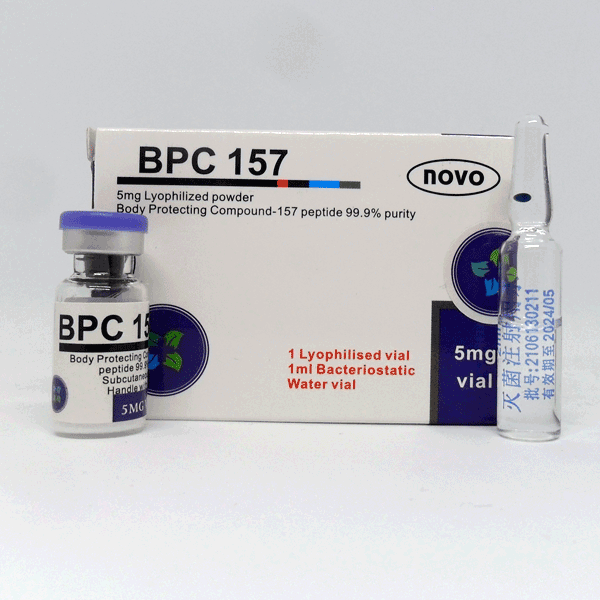
BPC-157 (Pentadecapeptide BPC-157) |
€ 45,00
In StockBuy high-purity BPC-157 | Generic online. Lab-tested for research and recovery. Fast shipping and competitive prices. Order now!
Acne
N/A
Half-Life
N/A
Dosage
N/A
Detection Time
N/A
Aromatization
N/A
Water Retention
N/A
Hepatotoxicity
N/A
HBR
N/A
Compound Overview: BPC-157
Bepecin
Chemical Formula
C62H98N16O22
Chemical Name (IUPAC)
Bepecin
Also Known As
Product Information
About BPC-157 (Pentadecapeptide BPC-157) |
The Wolverine Peptide: Ultimate Injury Repair
BPC-157 (Body Protection Compound) is renowned for its incredible ability to accelerate the healing of soft tissue injuries. Whether you are dealing with tendonitis, muscle tears, or ligament damage, BPC-157 works systemically to repair and rejuvenate damaged tissues.
It is also highly effective for gut health, helping to heal issues like IBS and leaky gut syndrome. For athletes dealing with nagging injuries that won't go away, BPC-157 is the go-to solution.
Key Benefits:
- Rapid Injury Healing: Accelerates repair of tendons, ligaments, and muscles.
- Reduces Inflammation: Potent anti-inflammatory properties without the side effects of NSAIDs.
- Gut Health: Heals stomach lining and improves digestive health.
- Joint Protection: Protects joints from heavy lifting wear and tear.
Dosage:
- Typical Dose: 250mcg twice daily (500mcg total per day).
- Administration: Subcutaneous injection, often near the site of injury (though systemic use also works).
Chemical Profile
- Compound name: BPC-157 (Body Protection Compound, fragment 157)
- Chemical class: Synthetic linear peptide (gastric juice–derived peptide fragment)
- Primary structure: BPC-157 is described in the literature as a short peptide fragment derived from a naturally occurring gastric juice protein. The compound is commonly referenced as a pentadecapeptide (short peptide fragment of approximately 14–15 amino acids) with a reported primary amino‑acid sequence in preclinical publications. The exact sequence and length reported in different sources vary; the peptide is a linear chain of standard L‑amino acids without post‑translational modifications described in the open literature.
- Molecular architecture: Linear, uncyclized peptide composed of natural amino acids; no defined disulfide bridges or non‑natural amino‑acid substitutions are routinely reported in standard research material. The molecule is hydrophilic, readily soluble in aqueous media following appropriate reconstitution procedures.
- Physicochemical properties: As a small peptide, BPC‑157 exhibits peptide-like properties — susceptibility to proteolytic degradation in biological fluids, potential for rapid renal clearance when systemically administered, and a molecular mass on the order expected for a short (≈15 amino acid) peptide (i.e., low kilodalton range).
- Half‑life: Robust, peer‑reviewed pharmacokinetic (PK) data in humans are lacking. Available animal data and in vitro observations suggest a relatively short plasma half‑life typical of small peptides (minutes to a few hours) when measured in circulation. However, biodistribution and tissue retention effects reported in preclinical studies imply that functional/biological effects can persist longer than plasma exposure alone would predict. Reported stability against gastric juice proteolysis in vitro and in vivo models has been claimed in preclinical literature, but these findings are not corroborated by comprehensive human PK studies.
(NB: Quantitative PK parameters (Cmax, Tmax, clearance, volume of distribution, terminal half‑life) in humans are not well characterized in the published clinical literature to date.)
Clinical Pharmacology
-
Mechanism(s) of action — overview: The mechanism of action of BPC‑157 is incompletely defined. Data are predominantly preclinical (rodent and in vitro models). The peptide appears to exert pleiotropic biological effects involving modulation of angiogenic signaling, inflammatory mediators, cytoprotective pathways, and cellular migration/proliferation processes. No single molecular receptor has been conclusively identified as the primary target in humans.
-
Angiogenesis and endothelial modulation:
- BPC‑157 has been reported in multiple preclinical studies to upregulate angiogenic pathways, including increased expression and activity of vascular endothelial growth factor (VEGF) and related downstream signaling (e.g., VEGFR2 activation, modulation of angiogenic transcriptional programs).
- Effects on endothelial cell proliferation and migration have been observed in vitro and in wound models, consistent with pro‑angiogenic activity.
-
Nitric oxide (NO) signaling:
- Preclinical evidence indicates modulation of nitric oxide synthases (notably endothelial NOS activity) and NO‑dependent signaling. Observed effects include alteration of NO bioavailability and interaction with NO‑mediated vasoregulatory responses, which may contribute to changes in microcirculatory perfusion in injured tissues.
-
Inflammation and cytokine modulation:
- BPC‑157 has been associated with attenuation of pro‑inflammatory cytokines (e.g., TNF‑α, IL‑1β) and reduction of inflammatory cell infiltration in various animal models. It may influence the balance between pro‑ and anti‑inflammatory mediators, leading to reductions in local inflammatory responses in injured tissues.
-
Tissue repair, fibroblast and extracellular matrix effects:
- Preclinical models show accelerated healing in skin, tendon, muscle, bone and gastrointestinal lesions. Reported cellular effects include enhanced fibroblast proliferation, collagen production modulation, and improved organization of extracellular matrix components at repair sites.
-
Cytoprotective and organ‑protective effects:
- In models of gastrointestinal injury (including NSAID‑induced gastric damage), BPC‑157 reduced mucosal injury, possibly via combined cytoprotective, angiogenic and anti‑inflammatory mechanisms. Organ‑protective effects have also been reported in models of hepatic, renal and neural injury, although mechanisms likely differ by tissue type and remain incompletely elucidated.
-
Nervous system modulation:
- Rodent studies indicate potential modulatory effects on central neurotransmitter systems (dopaminergic and serotonergic pathways) and neuroprotective activity in specific neurotoxic or injury models. The relevance of these observations to human CNS pharmacology is not established.
-
Pharmacodynamics: The observed pharmacodynamic effects in animal models often outlast measurable systemic exposure, suggesting mechanisms that include local tissue modulation, induction of growth‑factor expression, and initiation of reparative cascades rather than sustained receptor occupancy requiring prolonged systemic presence.
-
Safety and tolerability (clinical evidence): Comprehensive controlled human safety data are limited. Preclinical toxicology in standard models reports low acute toxicity at studied doses, but absence of extensive human clinical trial data precludes definitive statements on safety, tolerability, drug interactions, and long‑term effects in humans.
-
Limitations of current knowledge: The majority of mechanistic and efficacy data derive from in vitro studies and animal models. Translation to human disease states, definitive molecular targets, dose–response relationships, and standardized clinical endpoints remain inadequately characterized in the peer‑reviewed clinical literature.
Storage & Stability
-
General properties: As a peptide, BPC‑157 is sensitive to hydrolytic and proteolytic degradation under conditions that favor enzymatic activity, elevated temperature, and extremes of pH. Lyophilized peptide preparations are substantially more stable than aqueous solutions.
-
Typical pharmaceutical handling characteristics (based on peptide class behavior and preclinical/manufacturing reporting):
- Lyophilized (dry) peptide preparations: Generally stable when stored at low temperatures and protected from moisture and light. Stability profiles depend on formulation purity, excipients, residual moisture and container closure system. In the absence of formal pharmacopeial monographs for BPC‑157, specific shelf‑life claims must be derived from manufacturer stability testing.
- Reconstituted solutions: Aqueous peptide solutions are susceptible to proteolytic degradation and microbial contamination; chemical hydrolysis and aggregation may occur over time. Refrigerated storage (2–8 °C) and limited storage duration are commonly recommended in general peptide handling guidance; prolonged storage in aqueous form increases risk of degradation.
- Lyophilized product should be protected from repeated freeze–thaw cycles and from exposure to heat and light that can accelerate degradation pathways.
-
Stability considerations:
- pH sensitivity: Extreme acidic or basic conditions can promote peptide bond hydrolysis and side‑chain modifications; neutral to slightly acidic pH conditions are typically more favorable for peptide stability.
- Oxidation: Methionine, cysteine and other susceptible residues are prone to oxidative modification if present; formulation and storage under inert atmosphere can mitigate oxidation for oxidation‑labile peptides.
- Aggregation: Peptides may aggregate under certain solution conditions, especially at high concentration or upon repeated freeze–thaw cycles.
-
Regulatory/quality notes: There is no official compendial standard (e.g., USP monograph) for BPC‑157 in major pharmacopeias. Stability, storage recommendations and sterility assurance depend on manufacturer‑provided quality control, validated stability testing, and adherence to sterile handling practices when preparing aqueous formulations for experimental use. Clinical use requires adherence to applicable regulatory, good manufacturing practice (GMP) and clinical trial protocols.
General Information (Common medical uses and investigational indications)
-
Regulatory status: BPC‑157 is not an established or approved therapeutic agent with widely accepted indications by major regulatory authorities for human medical use. The bulk of efficacy and safety data are preclinical. Any clinical use outside controlled clinical trials would be considered investigational or off‑label and is not documented by robust randomized controlled trial evidence.
-
Investigational and preclinical applications reported in the literature:
- Gastrointestinal protection and ulcer healing: Reversal or attenuation of gastric and intestinal mucosal lesions in animal models, including NSAID‑induced damage and experimental colitis models.
- Wound healing and tissue repair: Acceleration of healing in cutaneous wounds, tendinous and ligamentous injuries, muscle tears, and bone fracture models through promotion of angiogenesis, fibroblast activity, and collagen remodeling.
- Orthopedic and musculoskeletal indications: Enhanced tendon and ligament healing in animal injury models; effects on muscle regeneration in some preclinical studies.
- Organ protection: Reduction of injury in models of hepatic, renal and myocardial tissue damage; limited data suggest a cytoprotective role in ischemic or toxin‑induced injury contexts.
- Neurological effects: Neuroprotective signals and modulation of neurotransmitter systems observed in rodent models (potential implications for neurotoxicity, neuroinflammation and certain behavioral models).
- Anti‑inflammatory and immunomodulatory effects: Modulation of inflammatory mediator expression and reductions in local inflammatory responses in several tissue injury models.
-
Evidence level and clinical implications:
- The majority of evidence supporting the above uses is derived from in vitro experiments and animal models. High‑quality human clinical trial evidence demonstrating efficacy and safety for specific medical indications is lacking.
- Mechanistic plausibility exists for tissue‑protective and reparative effects through modulation of angiogenesis, NO signaling, and inflammatory pathways, but translation into standardized therapeutic regimens for humans remains to be established by rigorous clinical research.
-
Contraindications, interactions and adverse effects:
- Systematic data on contraindications, drug–drug interactions, pregnancy/lactation safety, and a full adverse‑event profile in humans are not available from randomized clinical trials. Preclinical toxicology has not identified a clear safety signal at commonly studied doses in animal models, but absence of evidence is not evidence of safety in humans.
- Use in populations with active malignancy requires caution in principle because pro‑angiogenic agents can theoretically influence tumor vascularization; this risk has not been well studied for BPC‑157.
Summary statement: BPC‑157 is a synthetic short peptide derived from a gastric protein fragment with pleiotropic effects reported in preclinical studies, including pro‑angiogenic, cytoprotective and pro‑repair activities. Mechanisms are incompletely defined, and clinical pharmacokinetic and safety data in humans are limited. Current use is investigational; definitive therapeutic indications, standardized dosing regimens, and formal regulatory approvals are lacking. Further controlled clinical research is required to delineate pharmacokinetics, mechanism(s) of action in humans, efficacy across indications, and comprehensive safety profiles.
Dosage
Recommended
N/A
Half-Life
N/A
Benefits
- Laboratory tested for purity
- Pharmaceutical quality guaranteed
- Discrete and secure shipping
- Excellent customer service
- Fast delivery throughout Europe
Free Shipping
Free shipping on orders over €200.
Delivery Guarantee
Free reshipment if your order does not arrive.
Fast Delivery
Shipped within 24h. Delivery 48-72h in NL & BE.
Bitcoin Payment
Pay securely and stay completely anonymous with Bitcoin.
Secure Checkout
Secured SSL connection for all transactions.
Authentic
Authenticity verification for all our products.