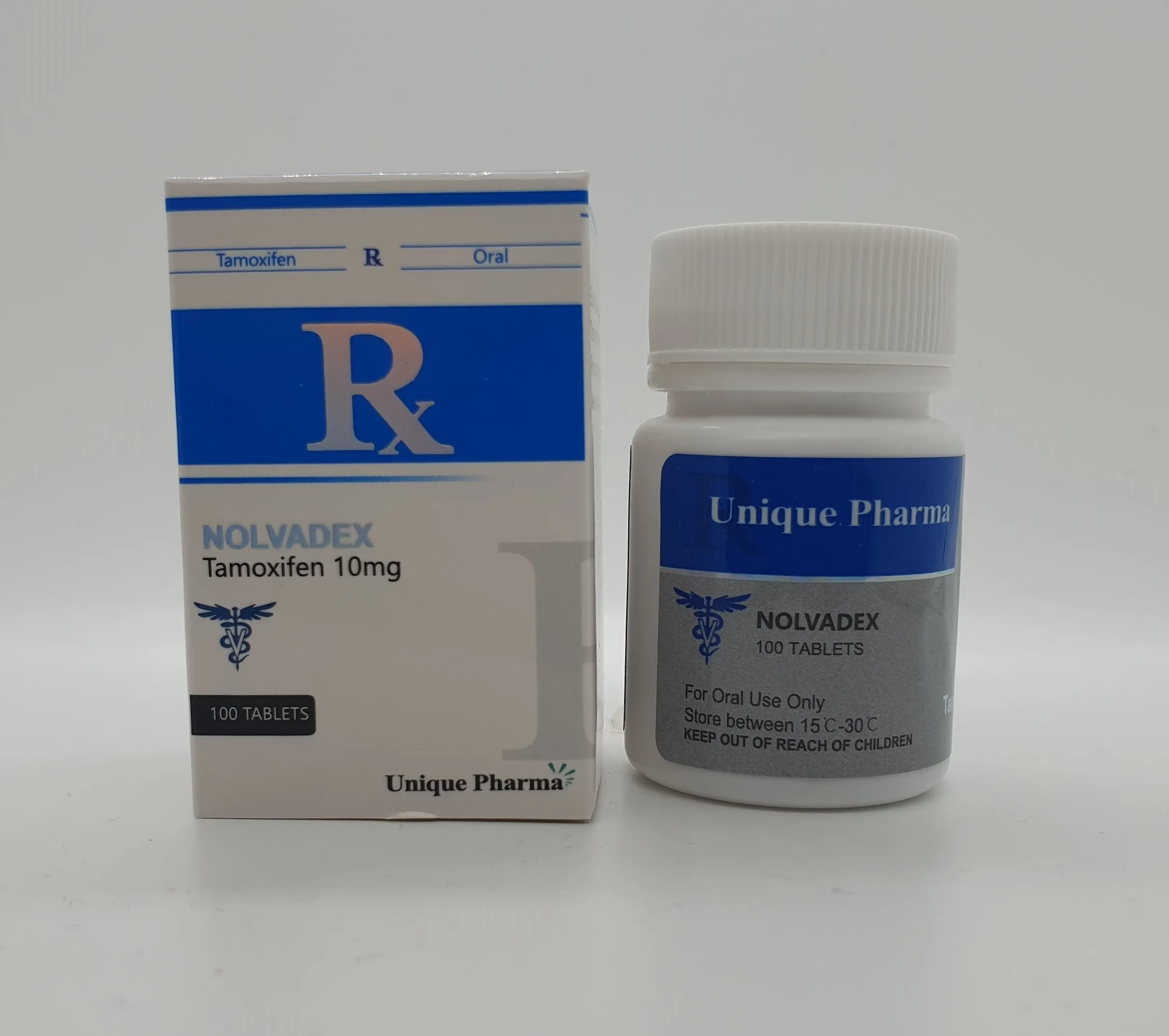
Nolvadex
Clinical Overview
Overview
Tamoxifen (trade name Nolvadex among others) is a nonsteroidal selective estrogen receptor modulator (SERM) developed in the 1960s and introduced clinically in the 1970s. It was one of the first widely used targeted therapies for estrogen receptor–positive (ER+) breast cancer and has since become a mainstay in both treatment and prevention strategies for hormone-dependent breast disease.
Common medical uses include adjuvant and palliative treatment of ER+ breast cancer, reduction of breast cancer incidence in high‑risk populations (chemoprevention), and treatment of male breast cancer. Tamoxifen is also used off‑label for management of gynecomastia and, historically, as part of some fertility‑induction protocols. In the context of performance enhancement, tamoxifen is used primarily to manage or mask estrogenic side effects (e.g., gynecomastia) that can occur after use of exogenous androgens; it is sometimes used during or after anabolic steroid cycles to mitigate estrogen receptor–mediated effects.
Drug classification
- Chemical/pharmacologic class: Selective estrogen receptor modulator (SERM).
- Therapeutic class: Antiestrogen; endocrine therapy for hormone receptor–positive breast cancer.
Chemical Properties
- Chemical name: Tamoxifen (commonly administered as tamoxifen citrate)
- Molecular formula (tamoxifen base): C26H29NO
- Molecular weight (tamoxifen base): 371.52 g·mol−1
- Tamoxifen citrate formula (salt used for dosing): C32H37NO8 (molecular weight for citrate salt ≈ 563.63 g·mol−1)
- Structural class: Triphenylethylene derivative; contains a dimethylaminoethoxy side chain attached to a substituted stilbene-like core.
Physical characteristics
- Appearance: White to off‑white crystalline powder (base and citrate salt forms).
- Solubility: Practically insoluble in water; soluble in organic solvents (ethanol, methanol, chloroform).
- Melting point: Tamoxifen citrate has a melting point in the approximate range of 130–140 °C (varies with hydrate form and measurement conditions).
Ester type
- Not applicable. Tamoxifen is not administered as an ester.
Pharmacokinetic half‑life and detection time
- Apparent elimination half‑life of tamoxifen (parent drug): approximately 5–7 days.
- Active metabolites (notably N‑desmethyltamoxifen and endoxifen/4‑hydroxytamoxifen) have longer terminal half‑lives; N‑desmethyltamoxifen ~14 days and endoxifen also persists for extended periods. Because of this, steady state is reached slowly (weeks), and pharmacologic effects persist for weeks after cessation.
- Detection time: Tamoxifen and its metabolites are detectable in plasma and urine for several weeks to months after discontinuation depending on dose, duration, and sensitivity of assay.
Mechanism of Action
How it works in the body
- Tamoxifen is a selective estrogen receptor modulator (SERM). It binds competitively to estrogen receptors (ERα and ERβ) and exerts tissue‑selective agonist or antagonist effects depending on cellular context and cofactor availability.
- In breast tissue, tamoxifen functions predominantly as an estrogen receptor antagonist, inhibiting estrogen‑mediated transcription and cell proliferation in ER+ breast cancer cells.
- In bone and lipid metabolism, tamoxifen shows partial agonist activity, which can confer protective effects on bone density and favorable effects on serum lipids.
- In uterine tissue, tamoxifen exhibits partial agonist activity, which is clinically relevant for endometrial proliferation and associated risks.
Receptor binding and activity
- Tamoxifen itself has modest affinity for ERs; several hepatic metabolites (notably 4‑hydroxytamoxifen and endoxifen) bind ERs with substantially higher affinity and are largely responsible for the drug’s pharmacodynamic effects.
- The drug modulates ER conformation and influences recruitment of coactivator and corepressor proteins, thereby altering transcription of estrogen‑responsive genes.
Anabolic/androgenic ratio
- Not applicable. Tamoxifen is not an anabolic androgenic steroid and has no defined anabolic/androgenic ratio.
Metabolic pathway
- Tamoxifen undergoes extensive hepatic metabolism, primarily via cytochrome P450 enzymes:
- CYP3A4/5 catalyzes N‑demethylation to N‑desmethyltamoxifen.
- CYP2D6 and to a lesser extent CYP3A isoforms mediate 4‑hydroxylation to 4‑hydroxytamoxifen and formation of endoxifen (4‑hydroxy‑N‑desmethyltamoxifen), both potent active metabolites.
- These metabolites are subject to conjugation (glucuronidation, sulfation) and excreted mainly in bile and feces.
- Genetic polymorphisms in CYP2D6 significantly influence formation of active metabolites, affecting clinical outcomes and side‑effect profiles.
Medical Information
Therapeutic applications
- Adjuvant therapy for early estrogen receptor–positive breast cancer to reduce recurrence risk.
- Treatment of metastatic ER+ breast cancer.
- Risk reduction for women at high risk for developing breast cancer (chemoprevention).
- Treatment of male breast cancer.
- Off‑label: management of gynecomastia, certain infertility protocols (less commonly used now compared to aromatase inhibitors/clomiphene), and to manage estrogenic sequelae of androgen/antiandrogen therapies.
Typical dosage ranges
- Standard adult dose (adjuvant/therapeutic): 20 mg orally once daily.
- Doses commonly range from 10–40 mg/day depending on indication and clinical circumstances; higher or intermittent dosing has been employed in some settings, but 20 mg daily is the most common.
- For chemoprevention: 20 mg daily for 5 years has been a standard regimen in many trials.
- For gynecomastia or short‑term management of estrogen symptoms: regimens of 10–20 mg daily or alternate‑day dosing have been used empirically; evidence varies.
Administration routes
- Oral administration (tablets or tablets of the citrate salt) is the only common route for systemic therapy.
Duration of use
- Adjuvant therapy: typically 5 years historically; extended adjuvant therapy to 10 years is common for selected patients based on risk assessment and tolerability.
- In metastatic disease: continued until disease progression or unacceptable toxicity.
- For short‑term symptomatic uses (e.g., gynecomastia management): durations are variable and individualized.
Safety Profile
Common side effects
- Vasomotor symptoms: hot flashes, night sweats.
- Gastrointestinal: nausea.
- Menstrual irregularities, amenorrhea, or changes in menses in premenopausal women.
- Fatigue, mood changes.
- Vaginal symptoms: discharge, dryness, or bleeding.
- Skin: rash.
- Visual changes and dry eyes have been reported.
Serious adverse reactions
- Venous thromboembolism (deep vein thrombosis, pulmonary embolism): tamoxifen increases the risk of thromboembolic events; risk factors (age, immobilization, prior history) amplify this risk.
- Stroke (ischemic) — reported with increased incidence in some trials.
- Endometrial pathology: tamoxifen’s partial agonist activity in the uterus is associated with increased risk of endometrial hyperplasia and endometrial carcinoma; abnormal uterine bleeding requires prompt evaluation.
- Ocular toxicity: cataracts and other visual disturbances have been observed in some patients.
- Hepatotoxicity: rare cases of severe hepatic dysfunction reported.
- Hypersensitivity reactions: rare.
Drug interactions
- CYP2D6 inhibitors (notably strong inhibitors such as paroxetine, fluoxetine, bupropion) can reduce conversion of tamoxifen to endoxifen and may reduce clinical efficacy in breast cancer; clinically significant interaction potential exists with some selective serotonin reuptake inhibitors (SSRIs) used for hot‑flash or depression management.
- CYP3A modulators can alter concentrations of tamoxifen and its metabolites.
- Concomitant estrogen therapy (e.g., hormone replacement) may antagonize the antiestrogenic effect at breast tissue and reduce efficacy.
- Agents affecting clotting/anticoagulation may interact clinically given thrombotic risk; careful consideration is needed when combining with anticoagulants.
Contraindications
- Known hypersensitivity to tamoxifen or any component of the formulation.
- Current or history of thromboembolic disease is a relative contraindication that requires careful risk‑benefit evaluation.
- Pregnancy and lactation: tamoxifen is teratogenic in animals and is contraindicated during pregnancy; it is excreted in breast milk.
- Active endometrial cancer (due to uterine agonist effects).
Monitoring considerations
- Baseline and periodic assessment of hepatic function as clinically indicated.
- Vigilance for signs or symptoms of thromboembolism.
- Gynecologic evaluation for abnormal uterine bleeding; investigation for endometrial pathology when indicated.
- Consider periodic ophthalmologic exams if visual symptoms develop.
Legal Status
Regulatory classification
- Tamoxifen is a prescription pharmaceutical in most jurisdictions worldwide. It is approved by major regulatory agencies (e.g., FDA, EMA) for specified indications in breast cancer and related conditions.
Prescription requirements
- Available only by prescription; initiation and monitoring are performed by qualified healthcare professionals with oncologic or medical oversight.
Sports anti‑doping status
- Tamoxifen is included on many sports anti‑doping organizations’ prohibited lists. SERMs, including tamoxifen, have been used to mask or counter estrogenic effects of performance‑enhancing substances and are therefore banned in competition by several anti‑doping bodies (including listing on World Anti‑Doping Agency [WADA] prohibited substances lists in relevant categories). Athletes should consult current anti‑doping regulations and lists for up‑to‑date status and any therapeutic use exemption (TUE) requirements.
Additional notes
- Pharmacogenomics: CYP2D6 genetic polymorphisms influence tamoxifen metabolism and clinical outcomes. Poor CYP2D6 metabolizers generate less endoxifen and may have reduced therapeutic benefit; genotype or phenotype testing may be considered in certain clinical situations.
- Clinical benefit vs risk: decisions about tamoxifen use (dose, duration, and population) weigh risk reduction benefits in breast cancer vs potential risks (thromboembolism, endometrial cancer), and are individualized on the basis of patient age, menopausal status, comorbidities, and concomitant medications.
- Comparative agents: Other endocrine therapies for ER+ breast cancer include aromatase inhibitors (in postmenopausal women) and fulvestrant (a pure ER antagonist), each with distinct efficacy and adverse‑effect profiles.
References for further reading (select)
- Clinical practice guidelines on adjuvant endocrine therapy for breast cancer from oncology societies.
- Pharmacology and drug interaction reviews on tamoxifen metabolism and CYP2D6 pharmacogenetics.
- WADA Prohibited List and national anti‑doping agency publications for up‑to‑date sports status.
This article summarizes key chemical, pharmacologic, therapeutic, and safety information for tamoxifen (Nolvadex). For specific medical management decisions, consult clinical guidelines and qualified healthcare professionals.
science Chemical Properties
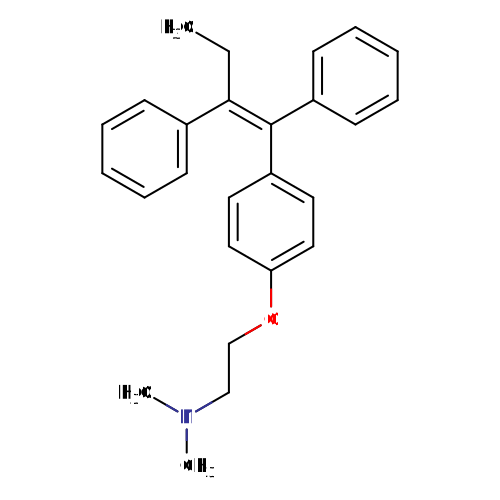
2D Structure
CAS Number
tag10540-29-1
PubChem ID
scienceMolecular Formula
scienceC26H29NO
Molar Mass
science371.5 g/mol
Active Half-Life
science5-7 Days
Anabolic/Androgenic Ratio
scienceN/A (SERM)
CAS Number
science10540-29-1
PubChem CID
science2733526
bolt Mechanism of Action
Tamoxifen Citrate (Nolvadex) is a SERM. It blocks estrogen receptors in breast tissue (preventing gyno) and stimulates LH/FSH production in the pituitary for PCT.
- Gyno Defense: First line of defense against gynecomastia.
- PCT Staple: Essential for restarting natural testosterone.
IGF-1
May slightly lower IGF-1 levels.
medication Dosing Protocol
| Experience Level | Daily Dosage | Cycle Duration |
|---|---|---|
| PCT | 20-40 mg | 4-6 Weeks |
| On Cycle | 10-20 mg | As Needed |
* Do not combine with 19-nors alone (prolactin issue).
security Safety Profile
warning Common Side Effects
-
local_fire_department
Hot Flashes
Common side effect.
dangerous Severe/Rare Side Effects
-
visibility
Vision
Rare but possible vision issues.
shopping_cart Related Products

Disclaimer: This content is for informational and educational purposes only. It does not constitute medical advice.