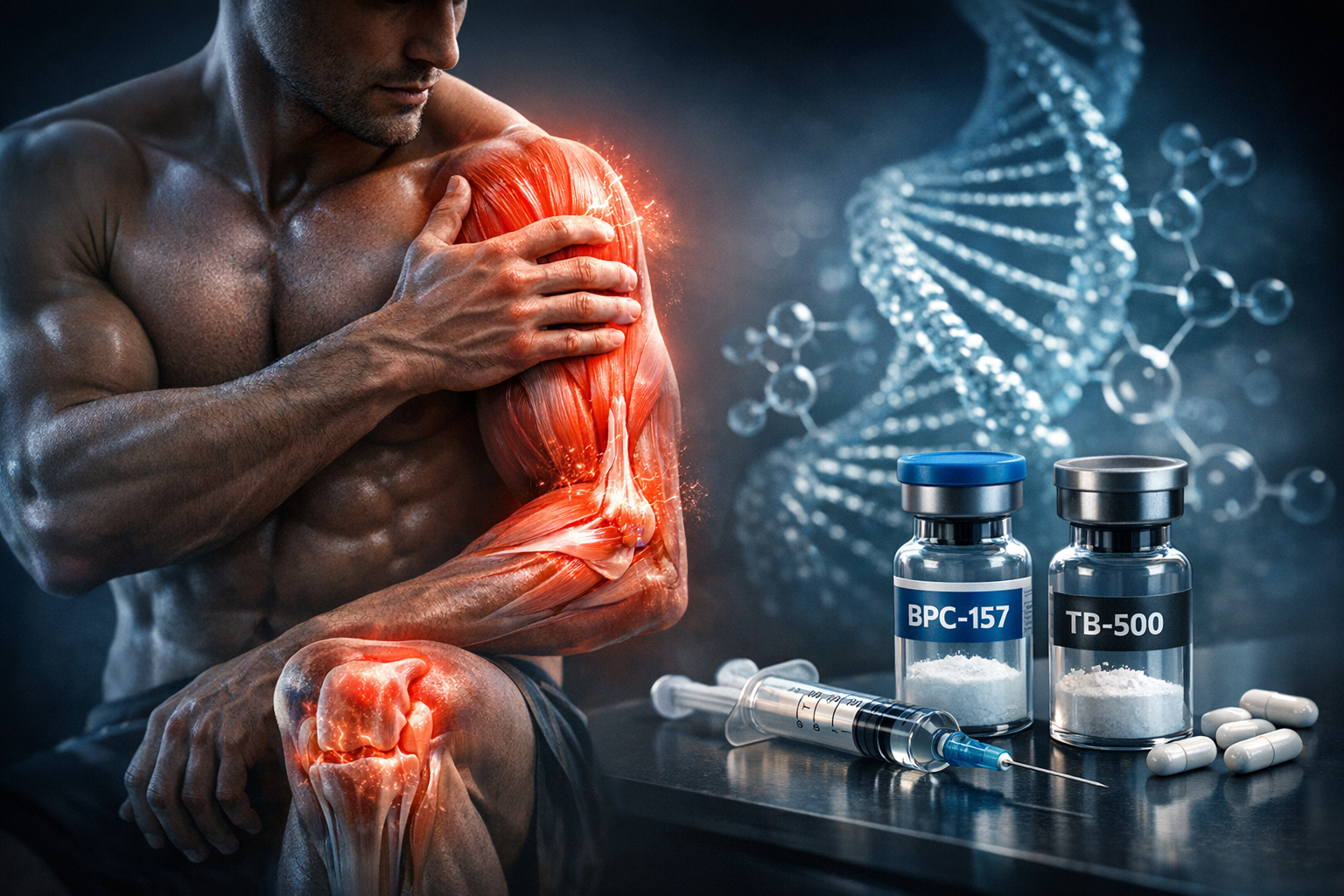
Whether you are a powerlifter with a torn pec, a bodybuilder with chronic knee pain, or an athlete seeking faster recovery from surgery: injuries are the greatest enemy of progress.
In the world of performance-enhancing agents and peptides there is one specific combination that has achieved legendary status in recent years for tissue repair. This combination is known as the "Wolverine Stack".
Named after the X-Men superhero with unparalleled healing powers, this stack combines the two most powerful recovery peptides on the market: BPC-157 and TB-500. In this guide we explain in detail how and why this stack works.
Table of Contents
- What is the Wolverine Stack?
- What is BPC-157? (Local Repair)
- What is TB-500? (Systemic Repair)
- Why combine BPC-157 and TB-500? (Synergy)
- Dosing Protocol and Cycle
- Side Effects and Safety
- Conclusion & FAQ
1. What is the Wolverine Stack?
The Wolverine Stack is the concurrent administration of two synthetic peptides: Body Protection Compound 157 (BPC-157) and Thymosin Beta-4 (TB-500). Whereas conventional treatment often requires months of rest, users of this stack claim that severe muscle and tendon tears heal in only a fraction of the time.
[!TIP]
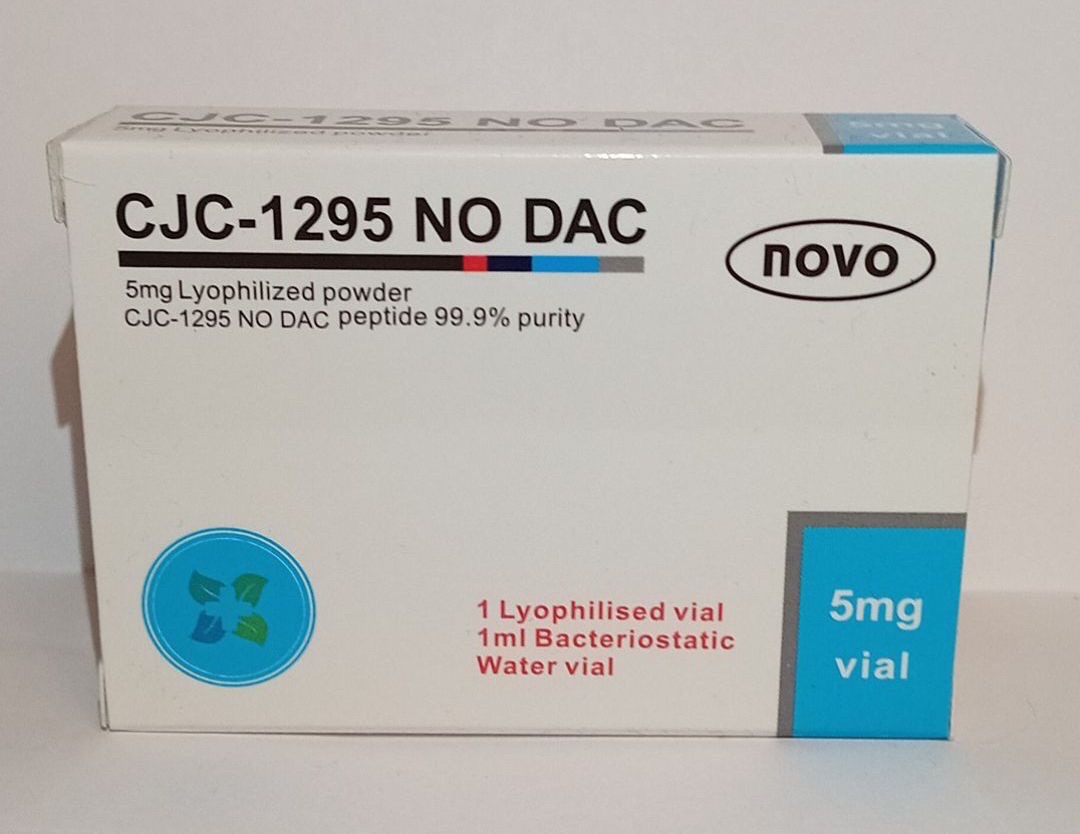
At AnabolenKopen.net you can review our lab-tested peptide range, including BPC-157 and TB-500. Please note that peptides are supplied as lyophilized powder and must be reconstituted with bacteriostatic water or saline before use.
2. What is BPC-157? (Local Repair)
BPC-157 (Body Protection Compound) occurs naturally in human gastric juice. The synthetic peptide version is known to stimulate an explosive increase in angiogenesis (the formation of new blood vessels).
Primary purpose: Local repair (tendon-to-bone, muscle-to-tendon, gut repair).
- Repairs torn muscles and tendons extremely rapidly by restoring blood flow to the damaged or “white” tissue (which naturally has little blood supply).
- Protects and repairs tissue in the gastrointestinal tract.
- Has a very short half-life (a few hours), which is why it is often injected locally (as close as possible to the painful area) for maximum effect.
3. What is TB-500? (Systemic Repair)
TB-500 is the synthetic fragment of the protein Thymosin Beta-4, which occurs naturally in animal and human cells. Where BPC-157 works via blood vessel formation, TB-500 works via regulation of cell motility.
Primary purpose: Systemic cell repair.
- Binds to actin, a protein crucial for cell structure and muscle contraction.
- Suppresses inflammation at the cellular level throughout the body.
- Makes muscle fibers more flexible and prevents scar tissue formation after trauma.
- Is primarily systemic: because the protein is small, it travels easily throughout the body to locate and repair tissue damage. You can therefore safely inject it into abdominal fat; it will find its way to the injury on its own.
4. Why combine BPC-157 and TB-500? (Synergy)
The true magic occurs at the intersection of their mechanisms of action.
When tissue is damaged (for example a tendon inflammation in the shoulder), TB-500 ensures that cells become more mobile, large chronic inflammation subsides, and scar formation is halted. Subsequently, BPC-157 ensures that structurally new blood vessels are built into that damaged tendon to physically reattach bone and fiber.
By using both via the 'Wolverine Stack' you address the injury at the tissue level, the vascular level, and the cellular level!
5. Dosing Protocol and Cycle
Peptide dosing is generally expressed in micrograms (mcg) or milligrams (mg).
Because BPC-157 acts locally and quickly, it is injected daily. Because TB-500 acts slowly and systemically, it can be injected once or twice per week. A typical "Wolverine" recovery course lasts 4 to 6 weeks (max. 8 weeks).
The Standard Wolverine Protocol (Normal Injuries)
Cycle length: 4 to 6 weeks
- BPC-157: 250 mcg to 500 mcg per day (divided into 1 or 2 injections per day, subcutaneous close to the injury).
- TB-500: 2 mg to 2.5 mg per injection, TWICE per week (total 4 to 5 mg per week, subcutaneous abdominal fat).
Pro/Severe Tear Protocol (Post-operative recovery)
Cycle length: 6 to 8 weeks
- BPC-157: 500 mcg TWICE per day (1 mg total per day locally).
- TB-500: 2.5 mg to 3.0 mg TWICE per week (5–6 mg total per week systemically).
[!WARNING]
Never combine peptides prior to dosing in the same vial of water unless you understand the dosing mathematics exactly 100%. Preferably mix them using separate insulin syringes. Discard any remaining mixed peptides after 3 to 4 weeks if the vial becomes cloudy (if unrefrigerated); peptides in powder form can be stored in the freezer.
6. Side Effects and Safety
Peptides are generally extremely well tolerated by the body because they resemble natural amino sequences.
Possible (mild) side effects:
- Injection site irritation: Sometimes a red bump (usually due to improperly dissolved powder or reaction to the BAC-water).
- Lethargy (fatigue): BPC-157 and TB-500 force your body to repair. Recovery requires energy, which can increase sleep needs during the first week of use.
- Mild headache / dizziness: Reported only at doses that greatly exceed the protocols.
Note (Contraindications):
TB-500 must under no circumstances be used by patients with a history of cancer! Because TB-500 promotes cell survival and motility, it could in theory protect existing cancer cells. Peptides heal, but they accelerate cell proliferation.
7. Conclusion & Frequently Asked Questions (FAQ)
The Wolverine Stack (BPC-157 and TB-500) provides astonishing, synergistic recovery capabilities. Ensure pharmaceutical quality, mix safely with BAC-water and avoid overtraining, even if pain disappears after 10 days. Often you are pain-free, but the cell and tendon are still rehabbing!