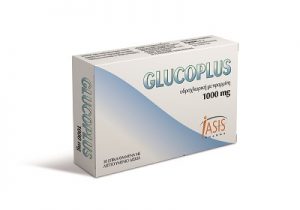
Glucoplus Metformin (Metformin HCl 500 mg tab)
€ 30,00
In StockBuy premium Glucoplus Metformin | Generic online. High purity, lab-tested, and fast shipping. Maximize insulin sensitivity and fat loss. Order now!
Acne
No
Half-Life
6 Hours
Dosage
500-2000 mg Daily
Detection Time
2 Days
Aromatization
No
Water Retention
No
Hepatotoxicity
No
HBR
No
Product Information
About Glucoplus Metformin (Metformin HCl 500 mg tab)
Maximize Insulin Sensitivity & Longevity
Metformin is not just for diabetics; it is a staple in the bodybuilding and anti-aging communities. By improving insulin sensitivity, it ensures that your body processes carbohydrates efficiently, driving nutrients into muscle cells rather than storing them as fat (nutrient partitioning).
Essential for users taking Growth Hormone (which increases blood sugar) or those on high-carb bulking cycles who want to stay lean.
Key Benefits:
- Insulin Sensitivity: Drastically improves how your body handles carbs.
- Gut Health: Slows glucose absorption for steady energy.
- Anti-Aging: Activates AMPK, a key pathway for longevity and fat burning.
- GH Synergist: Counteracts the insulin resistance caused by HGH use.
Dosage:
- Bodybuilding: 500mg - 1000mg with high-carb meals.
- Anti-Aging: 500mg daily.
- Note: Always take with food to minimize stomach upset.
1. Description — Clinical summary
Glucoplus Metformin (active compound: metformin hydrochloride) is an oral antihyperglycemic agent used primarily to treat type 2 diabetes mellitus. It is commonly prescribed as first‑line therapy for patients with type 2 diabetes who are overweight or obese and in whom lifestyle interventions (diet, exercise) alone are insufficient. Metformin improves glycemic control by reducing hepatic glucose production and improving insulin sensitivity; it does not stimulate insulin secretion.
Key clinical points
- Indication: type 2 diabetes mellitus (approved for adults; many formulations also approved for use in children ≥10 years). Also used off‑label for polycystic ovary syndrome (PCOS) and some insulin‑resistance states.
- Onset: glucose‑lowering effect apparent within days, full effect on A1c seen within 1–3 months.
- Distinguishing features: weight‑neutral or modest weight loss, low intrinsic risk of hypoglycemia when used as monotherapy, eliminated unchanged by the kidney.
2. How does Glucoplus Metformin work? — Mechanism of action
Metformin lowers blood glucose by multiple complementary mechanisms:
- Decreases hepatic gluconeogenesis (primary action) — reduces hepatic glucose production.
- Improves peripheral insulin sensitivity — increases glucose uptake and utilization in skeletal muscle and adipose tissue.
- Reduces intestinal absorption of glucose and may alter gut microbiota and incretin levels.
- At the cellular level, many effects are mediated in part via activation of AMP‑activated protein kinase (AMPK) and by lowering cellular energy charge, though additional AMPK‑independent pathways also contribute.
Pharmacokinetics (brief)
- Absorption: oral bioavailability roughly 50–60% (immediate‑release); peak plasma concentrations 1–3 hours (IR) and longer with extended‑release (ER).
- Distribution: not highly protein bound.
- Metabolism: negligible (not metabolized).
- Elimination: excreted unchanged by the kidneys. Plasma half‑life ~4–8 hours (depends on formulation and renal function).
3. Dosage — Medical and varying usage guidelines
Dosing must be individualized based on renal function, tolerability and glycemic targets. Always follow local product labeling and clinical judgment.
General adult dosing (immediate‑release, IR)
- Typical starting dose: 500 mg once or twice daily with meals (commonly 500 mg twice daily).
- Titration: increase by 500 mg weekly (or every 1–2 weeks) as tolerated to reduce GI side effects.
- Usual effective dose: 1500–2000 mg/day.
- Maximum recommended dose (IR): up to ~2,500–2,550 mg/day in divided doses (formulation dependent — check product label).
Extended‑release (ER/XR) dosing
- Typical starting dose: 500 mg–1,000 mg once daily with the evening meal.
- Titration: increase by 500 mg every 1–2 weeks as tolerated.
- Usual effective dose: up to 2,000 mg once daily for many ER products (maximum depends on formulation; check label).
Renal impairment (important)
- Contraindicated if eGFR < 30 mL/min/1.73 m².
- For eGFR ≥ 45 mL/min/1.73 m²: treatment may proceed with usual dosing and routine monitoring.
- For eGFR 30–45 mL/min/1.73 m²: use caution — do not initiate in most patients; if patient is already receiving metformin consider dose reduction and more frequent renal monitoring. Stop metformin if eGFR falls below 30.
- Adjust dosing and monitoring frequency rather than rely on creatinine alone; follow local/regulatory guidance.
Other dosing considerations
- Take with meals to reduce gastrointestinal adverse effects.
- For perioperative procedures or iodinated contrast administration: temporarily withhold metformin at the time of contrast administration for patients with eGFR <60 or other risk factors for renal impairment; generally resume 48 hours after and only after reassessment of renal function.
- Combination therapy: dosing when combined with insulin or insulin secretagogues should be adjusted to minimize hypoglycemia risk.
Monitoring
- Baseline: renal function (eGFR), liver tests if clinically indicated, HbA1c/fasting glucose, vitamin B12 status if long‑term therapy or symptoms.
- Ongoing: eGFR at least annually; more frequently if at risk for renal decline. Monitor glycemic control (A1c) per standard diabetes care. Check B12 periodically (or if neuropathy/anaemia).
4. Side effects — Common and rare adverse effects
Common (typically dose‑related, more frequent during initiation)
- Gastrointestinal: diarrhea, nausea, vomiting, abdominal discomfort, flatulence, metallic taste. These are the most common side effects and often improve with dose reduction or slower titration and taking doses with food.
- Reduced appetite and occasional mild weight loss.
Less common / important long‑term effects
- Vitamin B12 deficiency: decreased B12 absorption can occur with long‑term use and may lead to neuropathy or anemia; consider monitoring B12 levels periodically, especially if symptoms occur.
Rare but serious
- Lactic acidosis: a rare but potentially life‑threatening complication. Risk increases with renal impairment, hepatic impairment, hypoxic states (e.g., severe heart failure), sepsis, excessive alcohol intake, and situations that predispose to reduced tissue perfusion. Symptoms may include malaise, myalgia, respiratory distress, abdominal pain, somnolence, and hypotension. If suspected, discontinue metformin and seek emergency medical care; treatment may require hemodialysis.
- Severe hypersensitivity/allergic reactions: rare.
- Hepatic injury: very rare; liver disease increases lactic acidosis risk.
Drug interactions (high‑priority)
- Iodinated contrast agents: can cause acute kidney injury; follow precautions.
- Drugs that reduce renal function or compete for renal tubular secretion (e.g., cationic drugs such as cimetidine) may raise metformin levels.
- Alcohol: increases risk of lactic acidosis.
- Any medications that alter glucose control (corticosteroids, certain antipsychotics, etc.) may require dose adjustments.
Contraindications and precautions
- Absolute: known hypersensitivity to metformin; severe renal impairment (eGFR <30), acute or chronic metabolic acidosis (including diabetic ketoacidosis).
- Use caution in patients with hepatic impairment, congestive heart failure with hypoperfusion, heavy alcohol use, and other conditions that predispose to hypoxia or renal dysfunction.
Emergency signs of lactic acidosis (seek immediate care)
- Marked fatigue or weakness, unusual muscle pains, difficulty breathing, dizziness, stomach pain with nausea/vomiting, or sudden severe sleepiness/confusion.
5. Storage — How to store it
- Store at controlled room temperature (typically 20–25 °C / 68–77 °F); check the product label for specific recommended ranges.
- Keep in the original container to protect from moisture and light, or as directed by product labeling.
- Do not store in excessively hot or damp places (e.g., bathrooms).
- Keep out of reach of children and pets.
- Do not use beyond the expiration date printed on the packaging.
- If tablets are crushed or broken (e.g., for those with swallowing difficulties), follow a pharmacist’s guidance because absorption characteristics may change, especially for extended‑release formulations.
Final notes
- This guide summarizes general clinical information about metformin-containing products. Local product labeling, regulatory guidance and individual patient factors determine exact dosing and contraindications. For individualized management (initiation, dose adjustment, interactions with other medicines, pregnancy or breastfeeding decisions), consult a prescribing clinician or pharmacist.
Dosage
Recommended
500-2000 mg Daily
Half-Life
6 Hours
Benefits
- Laboratory tested for purity
- Pharmaceutical quality guaranteed
- Discrete and secure shipping
- Excellent customer service
- Fast delivery throughout Europe
Free Shipping
Free shipping on orders over €200.
Delivery Guarantee
Free reshipment if your order does not arrive.
Fast Delivery
Shipped within 24h. Delivery 48-72h in NL & BE.
Bitcoin Payment
Pay securely and stay completely anonymous with Bitcoin.
Secure Checkout
Secured SSL connection for all transactions.
Authentic
Authenticity verification for all our products.