Winstrol
Clinical Overview
Overview
Stanozolol, commonly known by the trade name Winstrol among others, is a synthetic androgenic–anabolic steroid (AAS) derived from dihydrotestosterone (DHT). First described in the late 1950s and introduced for medical use in the 1960s, stanozolol was developed to provide anabolic effects with reduced androgenic activity relative to testosterone in animal assays. It has been used historically in several therapeutic contexts but has also been used non‑medically for athletic performance enhancement and physique modification.
Common medicinal uses have included treatment of angioedema, certain anemias, and wasting states; however, many of these indications are now served by other therapies and the medical use of stanozolol is limited in many countries. In sports, stanozolol has been used to promote lean mass and strength and to alter body composition; it is prohibited by major anti‑doping organizations.
Drug classification:
- Chemical class: 17α‑alkylated androgen/anabolic steroid (DHT derivative)
- Pharmacological class: Androgen receptor agonist; anabolic steroid
- Regulatory class: Controlled substance in many jurisdictions; prescription‑only medication where still approved
Chemical Properties
- Chemical name: Stanozolol (common name)
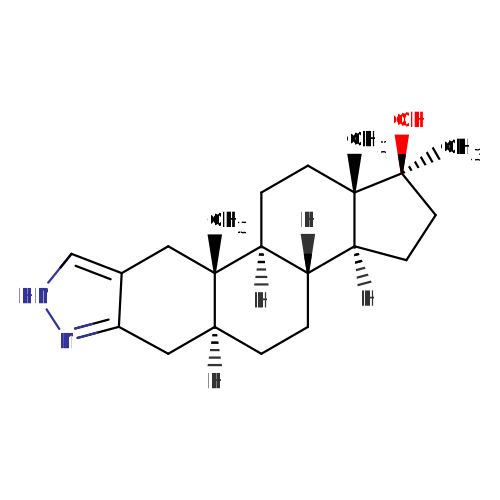
- Chemical formula: C21H32N2O
- Molecular weight: 328.49 g·mol−1
- Structural characteristics:
- A synthetic 17α‑alkylated derivative of dihydrotestosterone with a pyrazole ring fused to the steroid nucleus (modification at the A‑ring gives a pyrazole moiety).
- The 17α‑alkylation confers oral bioavailability by reducing first‑pass hepatic metabolism.
Physical characteristics:
- Appearance: White to off‑white crystalline powder (free base)
- Solubility: Poorly soluble in water; soluble in organic solvents and in oils for injectable suspensions when formulated as a micronized powder or salt for suspension.
Ester type:
- Stanozolol is generally provided as the free 17α‑alkylated steroid for oral tablets (17α‑methylstanozolol) and as a micronized injectable aqueous suspension (no ester). It is not typically formulated as a long‑chain ester (e.g., stanozolol acetate or propionate are not standard commercial preparations).
Pharmacokinetics:
- Half‑life: Oral stanozolol has an estimated elimination half‑life in humans generally reported in the range of approximately 8–10 hours; the aqueous injectable suspension shows a longer apparent duration of action (reported up to 24 hours in some studies) due to depot and formulation differences. Exact values vary with assay sensitivity and individual factors.
- Detection time: Metabolites of stanozolol can be detected in urine for an extended period using sensitive methods (GC‑MS/LC‑MS/MS). Detection windows depend on dose and frequency but may range from several days to several weeks; with sensitive testing, specific metabolites have been reported to be detectable for weeks after cessation of chronic dosing.
Mechanism of Action
How it works:
- Stanozolol exerts its primary pharmacologic effects by binding to the androgen receptor (AR), a nuclear transcription factor. Upon AR binding, the ligand–receptor complex translocates to the nucleus, binds androgen response elements on DNA, and modulates transcription of target genes that influence protein synthesis, nitrogen retention, and other anabolic pathways.
Receptor binding and activity:
- Stanozolol is an agonist at the androgen receptor. Compared to testosterone, stanozolol is relatively resistant to aromatization (conversion to estrogens) and is not a substrate for 5α‑reductase (it is already a 5α‑reduced DHT derivative), which contributes to a low propensity for estrogen‑mediated side effects (e.g., gynecomastia). Its androgenic activity is lower relative to its anabolic activity in classical animal assays, which historically led to claims of a favorable anabolic:androgenic ratio.
Anabolic/androgenic ratio:
- In classic rodent bioassays, stanozolol demonstrated a high anabolic to androgenic ratio (reported in older literature as markedly anabolic relative to testosterone). These ratios are assay‑dependent and cannot be directly extrapolated to humans; nevertheless, stanozolol is generally considered to have relatively higher anabolic effect compared with androgenic potency than testosterone in certain models.
Metabolic pathway:
- Stanozolol undergoes hepatic metabolism by reduction and hydroxylation followed by conjugation (primarily glucuronidation and to some extent sulfation). Major urinary metabolites include hydroxylated derivatives that can be detected by mass spectrometric methods. The 17α‑alkyl group reduces first‑pass clearance, increasing oral bioavailability but contributes to hepatotoxic potential.
Medical Information
Therapeutic applications:
- Historically used for:
- Hereditary angioedema (to reduce frequency and severity of attacks)
- Certain anemias (erythropoiesis‑stimulating effects)
- Catabolic states and wasting disorders (to promote weight gain and lean mass)
- Osteoporosis and other conditions where anabolic action was desired
- Current use is limited; some preparations were withdrawn or restricted in many countries as safer or more effective therapies became available.
Typical dosage ranges (medical context):
- Dosages vary by indication and formulation. Published therapeutic dosing in historical clinical practice examples:
- Oral (adults): commonly low single‑digit milligram daily doses (for example, 2 mg to 6 mg/day divided doses in some indications).
- Note: Non‑medical (performance) dosing is typically much higher than therapeutic ranges and is associated with increased risk of adverse effects.
Administration routes:
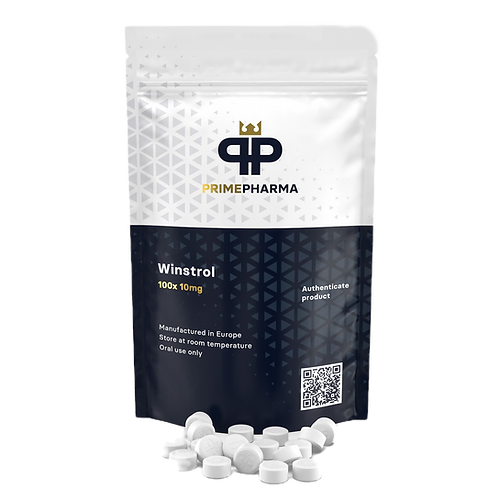
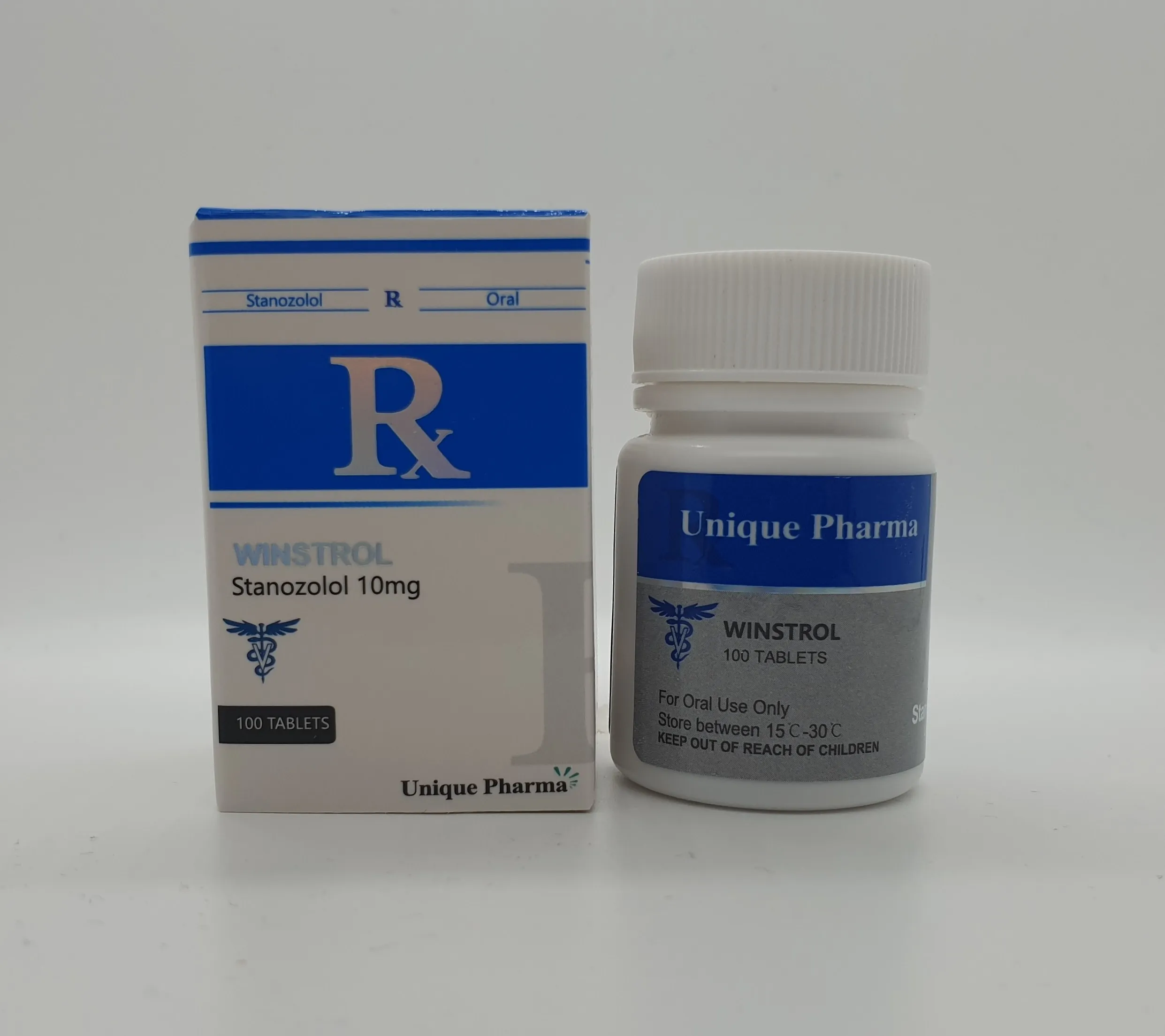
- Oral: 17α‑alkylated tablet formulation (most common historically).
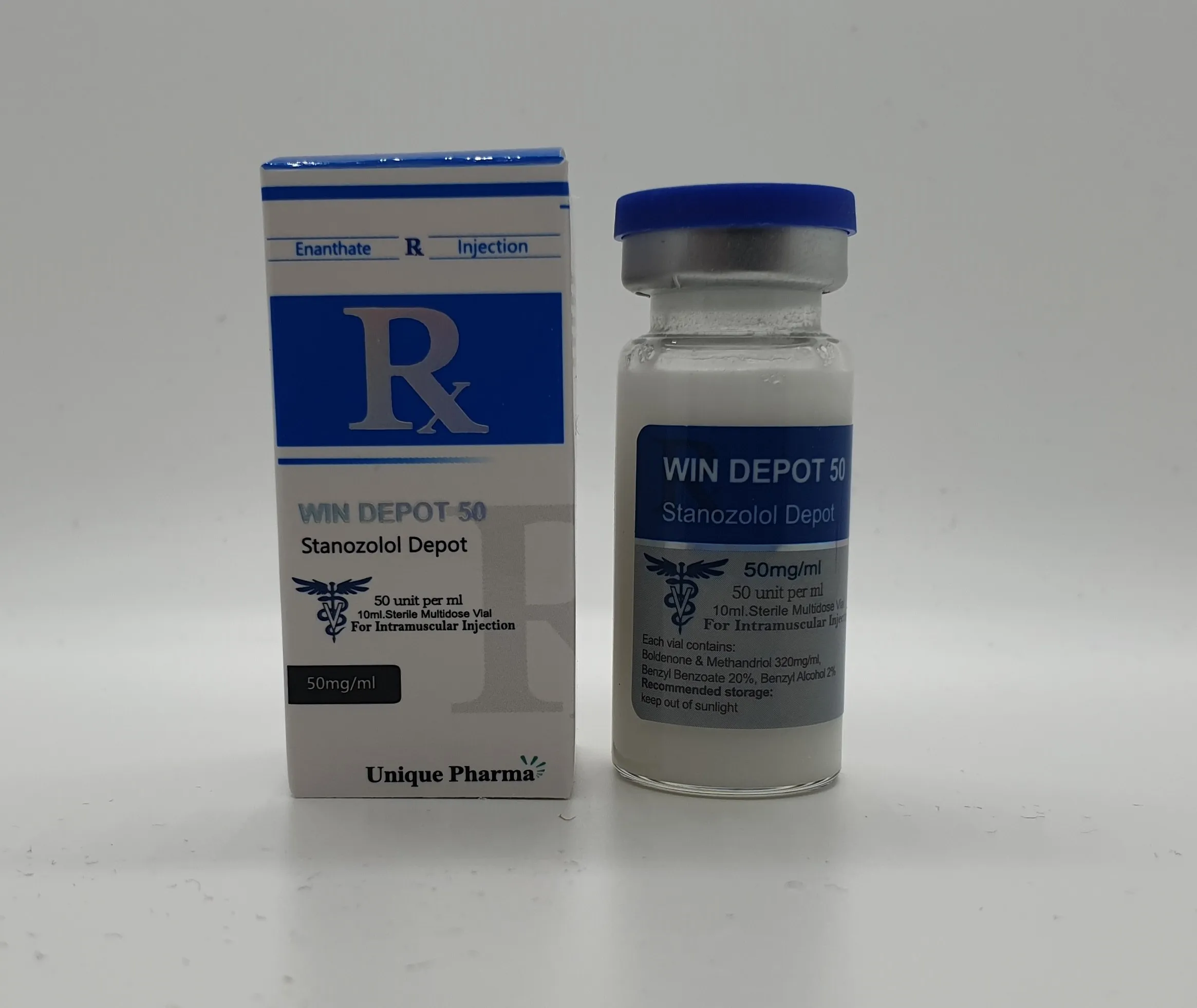
- Intramuscular: aqueous suspension of micronized stanozolol for IM injection (no ester); injectable preparations were used in some settings.
Duration of use:
- Duration is indication‑dependent. Therapeutic courses were generally limited to the period required to achieve a clinical endpoint; long‑term continuous use is associated with cumulative risks (notably hepatic). Use should be guided by a qualified clinician when indicated.
Safety Profile
Common side effects:
- Hepatic:
- Elevated liver enzymes (transaminases)
- Cholestatic jaundice and other hepatotoxic manifestations associated with 17α‑alkylated steroids
- Lipid and cardiovascular:
- Decrease in high‑density lipoprotein (HDL) cholesterol
- Increase in low‑density lipoprotein (LDL) cholesterol
- Potential increase in cardiovascular risk markers (e.g., atherogenic lipid profile)
- Androgenic effects:
- Acne, sebum production
- Hair loss in individuals with genetic predisposition to androgenic alopecia
- Increased body/facial hair
- Virilization in females (voice deepening, clitoral enlargement, menstrual irregularities)
- Musculoskeletal/other:
- Injection‑site pain or irritation (for IM suspensions)
- Changes in libido, mood alterations including aggression or mood swings
Serious adverse reactions:
- Severe hepatotoxicity including cholestasis, hepatic dysfunction, rare occurrences of hepatic peliosis and hepatic tumors with prolonged exposure
- Thrombotic events, alterations in coagulation in some cases
- Suppression of endogenous hypothalamic–pituitary–gonadal axis leading to decreased natural testosterone production, testicular atrophy and potential infertility with prolonged use
- Psychiatric effects: depression, aggression, and other mood disturbances reported with AAS use
Drug interactions:
- Concurrent use with other hepatotoxic drugs may increase risk of liver injury.
- Interactions with oral anticoagulants (e.g., warfarin) may alter anticoagulant effect due to hepatic enzyme modulation and protein binding changes.
- May influence glucose tolerance and interact with antidiabetic medications.
- Potential pharmacokinetic interactions via hepatic enzyme systems, although specific CYP interactions are variable and context‑dependent.
Contraindications:
- Known hypersensitivity to stanozolol or formulation excipients
- Pregnancy and breastfeeding (androgenic effects on the fetus/infant; virilization risk)
- Prostate carcinoma or breast carcinoma in men with known androgen‑sensitive tumors
- Severe hepatic disease or dysfunction (due to hepatotoxicity risk)
- In children, use may impair linear growth by accelerating epiphyseal closure
Legal Status
Regulatory classification:
- Stanozolol is a controlled substance in many countries. It is classified under various schedules depending on jurisdiction (for example, Schedule III controlled substance in the United States).
- Many formulations have been withdrawn from general market distribution in some regions and remain available only under restricted indications or compassionate use.
Prescription requirements:
- Where still legally available, stanozolol is prescription‑only and should be prescribed by a licensed medical practitioner for approved indications. Unsupervised use is associated with significant medical risk.
Sports anti‑doping status:
- Stanozolol is prohibited in competition and out of competition by the World Anti‑Doping Agency (WADA) and is banned by most national and international sports federations.
- Stanozolol and its metabolites are part of standard doping control testing panels and can be detected in urine for extended periods, enabling enforcement of anti‑doping rules.
Tables
Chemical and pharmacokinetic summary
| Property | Data |
|---|---|
| Chemical formula | C21H32N2O |
| Molecular weight | 328.49 g·mol−1 |
| Common forms | Oral 17α‑alkylated tablets; aqueous IM suspension (micronized) |
| Ester | None (free steroid) |
| Half‑life (approx.) | Oral: ~8–10 hours; injectable suspension: apparent longer duration (up to ~24 hours) |
| Major elimination | Hepatic metabolism (hydroxylation, reduction) → glucuronide/sulfate conjugates → urinary excretion |
Typical dosing examples (historical/therapeutic context)
| Population | Typical therapeutic dose (reported historic ranges) |
|---|---|
| Adults (medical indications) | Oral: 2–6 mg/day (divided doses) |
| Women (medical use) | Lower doses commonly used; clinician‑directed |
| Performance enhancement (non‑medical) | Often substantially higher than therapeutic doses (variable)—associated with increased risk |
Note: Published dosing varies with indication, formulation, and region; dosing table above is illustrative of historically reported therapeutic ranges and not a dosing recommendation for non‑medical purposes.
References and further reading
- Primary literature on stanozolol pharmacology, clinical use, and toxicology, standard pharmacology texts, and WADA anti‑doping code and technical documents provide in‑depth sources for clinicians and researchers interested in detailed analytical, clinical, and regulatory information.
science Chemical Properties
2D Structure
CAS Number
tag10418-03-8
PubChem ID
scienceMolecular Formula
scienceC21H32N2O
Molar Mass
science328.5 g/mol
Active Half-Life
science9 Hours
Anabolic/Androgenic Ratio
science320:30
CAS Number
science10418-03-8
PubChem CID
science2523
bolt Mechanism of Action
Stanozolol is a DHT-derived anabolic steroid. It significantly increases free testosterone by lowering SHBG and does not aromatize.
- SHBG Reduction: Binds to SHBG, freeing up other anabolic hormones.
- Dry Gains: Promotes lean muscle without water retention.
Joint Support
Supplement with Fish Oil and Glucosamine.
medication Dosing Protocol
| Experience Level | Daily Dosage | Cycle Duration |
|---|---|---|
| Beginner | 30-40 mg | 6 Weeks |
| Intermediate | 40-60 mg | 6-8 Weeks |
| Injectable | 50 mg | 6-8 Weeks |
* Liver toxic. Limit cycle duration.
security Safety Profile
warning Common Side Effects
-
skeleton
Joint Pain
"Dry" joints can cause discomfort.
dangerous Severe/Rare Side Effects
-
medical_services
Liver Toxicity
17aa oral, stresses the liver.
-
blood_pressure
Lipids
Significantly raises LDL and lowers HDL.
shopping_cart Related Products

Disclaimer: This content is for informational and educational purposes only. It does not constitute medical advice.