Trenbolone Enanthate
Clinical Overview
Overview
Trenbolone enanthate is a long-acting esterified derivative of trenbolone, a synthetic 19-nortestosterone anabolic-androgenic steroid (AAS). Trenbolone itself was developed in the mid-20th century as a potent anabolic steroid for veterinary use, primarily to promote muscle growth and feed efficiency in ruminants. The enanthate ester (heptanoate) attached to the 17β-hydroxyl extends the compound’s duration of action when administered by intramuscular injection.
Although trenbolone derivatives have a history of veterinary use (trenbolone acetate implants for cattle), trenbolone enanthate is not an approved therapeutic agent for humans in most jurisdictions. It is encountered in non-medical settings as a performance-enhancing drug favored for its strong anabolic effects, low aromatization, and long injectable dosing interval.
Drug classification
- Chemical class: 19-nortestosterone (nandrolone-type) androgen/anabolic steroid
- Pharmacologic class: androgen receptor agonist; anabolic steroid (esterified)
- Typical formulation: oil-based intramuscular injection (enanthate ester)
Chemical Properties
-
Molecular description:
- Trenbolone is a 19-nor steroid structurally related to nandrolone/testosterone, characterized by three conjugated double bonds in the steroid A and B rings (estra-4,9,11-trien-17β-ol-3-one core).
- Trenbolone enanthate is the 17β–heptanoate (enanthate) ester of trenbolone; the enanthate moiety is a seven-carbon carboxylic acid (heptanoic acid) attached via an ester linkage to the 17β-hydroxyl of the steroid nucleus. Esterification increases lipophilicity and prolongs release from intramuscular depots.
-
Reported molecular components:
- Trenbolone (base) molecular formula commonly reported: C18H22O2
- Enanthate (heptanoate) moiety: C7H12O2
- Trenbolone enanthate is therefore the trenbolone core esterified with a C7 heptanoate chain (chemical formula is commonly expressed by combining these components; descriptions in literature emphasize the esterified nature rather than a single-line formula).
-
Physical characteristics:
- Appearance (typical formulation): viscous oil solution for intramuscular injection (color and viscosity depend on vehicle and concentration)
- Solubility: poorly soluble in water; soluble in oil-based injection vehicles such as sesame oil, cottonseed oil, or other pharmaceutically acceptable solvents used for depot steroids.
-
Ester type:
- Enanthate (heptanoate) ester at the 17β-hydroxyl position (long-chain fatty acid ester).
-
Half-life and detection time:
- Pharmacologic half-life: the enanthate ester confers a prolonged apparent half-life relative to shorter esters (e.g., acetate). Reported elimination half-life estimates for enanthate esters of AAS typically range from approximately 4 to 10 days, with practical dosing intervals commonly every 7–14 days. Individual pharmacokinetics vary by depot, formulation, and patient factors.
- Detection time: trenbolone metabolites may be detectable in urine for several weeks to months after last administration depending on dose, duration of exposure, sensitivity of analytical methods, and specific metabolite targeted. Highly sensitive mass-spectrometric methods used in anti-doping laboratories may detect trenbolone metabolites for extended periods.
Mechanism of Action
-
How it works in the body:
- Trenbolone enanthate acts as a prodrug: following intramuscular administration, the enanthate ester is slowly hydrolyzed by esterases in blood and tissues to release the active steroid trenbolone.
- Trenbolone binds to the androgen receptor (AR) in target tissues (muscle, bone, central nervous system, sebaceous glands, prostate, etc.) and modulates transcription of androgen-responsive genes, producing anabolic (protein-sparing, muscle-building) and androgenic effects.
-
Receptor binding and activity:
- High affinity for the androgen receptor: trenbolone binds AR with high potency relative to testosterone and many other AAS.
- Trenbolone is not significantly aromatized to estrogens by aromatase; therefore it produces little or no estrogenic activity (gynecomastia risk via aromatization is minimal).
- It exhibits progestogenic activity via progesterone receptor interaction, which can contribute to some of its endocrine effects (e.g., influence on gonadotropin secretion and potential to potentiate certain side effects).
-
Anabolic/androgenic ratio:
- Trenbolone is considered a highly potent anabolic steroid with strong androgenic properties. Some literature and anecdotal sources rank trenbolone among the most potent AAS in both anabolic and androgenic effects. Quantitative anabolic/androgenic ratios (as used historically for reference in animal bioassays) are not directly comparable across compounds and species; the clinically relevant point is that trenbolone produces pronounced anabolic effects together with significant androgenic actions.
-
Metabolic pathway:
- After ester hydrolysis, trenbolone undergoes hepatic and extrahepatic biotransformation. Metabolic routes include reduction, hydroxylation, and conjugation (glucuronidation/sulfation) to polar metabolites that are excreted in urine and bile.
- Trenbolone is not converted to 5α-reduced metabolites (5α-reductase has limited further activation effect since trenbolone already possesses a high AR affinity).
- The absence of aromatization means estrogen-derived metabolites are minimal.
Medical Information
-
Therapeutic applications:
- Trenbolone enanthate is not an approved therapeutic agent for human medicine. Trenbolone derivatives (notably trenbolone acetate) have been used in veterinary medicine as growth promoters in cattle. There are no approved indications for trenbolone enanthate in standard human clinical practice.
-
Typical dosage ranges (non-therapeutic/empirical reports):
- In non-medical contexts such as bodybuilding communities, reported intramuscular dosing of trenbolone enanthate varies widely. Typical anecdotal ranges reported include approximately 200–700 mg per week, often administered as a single injection once weekly or divided into multiple injections (e.g., biweekly). Such uses are off-label and outside approved medical practice.
- Because trenbolone enanthate is not a licensed human medicine, there are no standardized clinical dosing regimens established by regulatory authorities.
-
Administration routes:
- Intramuscular injection into large muscle groups (e.g., gluteal, thigh) is the formulation and route used for enanthate esters to create a depot with slow release. Subcutaneous injection is sometimes reported in informal contexts but is not standard clinical practice for oil-based depot formulations.
-
Duration of use:
- Duration in non-medical cycles varies according to user goals; common cycle lengths in anecdotal reports range from 6 to 12 weeks. Prolonged or repeated exposures increase cumulative risk of endocrine suppression and adverse effects. There is no medically supervised duration of use for trenbolone enanthate in humans.
Safety Profile
-
Common side effects:
- Androgenic: acne, increased facial/body hair growth, male-pattern hair loss in predisposed individuals, deepening of the voice (in females), virilization in biological females.
- Endocrine: marked suppression of the hypothalamic–pituitary–gonadal (HPG) axis leading to decreased endogenous testosterone production and potential testicular atrophy; decreased sperm production and fertility.
- Cardiometabolic: unfavorable changes in serum lipids (decreased HDL, increased LDL), possible increases in blood pressure.
- Neuropsychiatric: mood changes, irritability, aggression, insomnia; trenbolone has a reputation anecdotally for causing vivid dreams, anxiety, and mood instability in some users.
- Local: injection site pain, inflammation, or abscess if aseptic technique is not followed.
-
Serious adverse reactions:
- Cardiovascular: accelerated atherosclerosis, left ventricular hypertrophy and dysfunction, increased risk of cardiac events associated with chronic AAS misuse.
- Hematologic: polycythemia (elevated hematocrit/hemoglobin) increasing thrombotic risk.
- Hepatic: while non-17α-alkylated injectable AAS typically show lower hepatotoxicity than oral 17α-alkylated steroids, adverse liver effects including cholestasis and hepatic enzyme abnormalities have been reported with anabolic steroid abuse.
- Endocrine/sexual health: long-term or high-dose use may produce prolonged hypogonadism, infertility, and, in adolescents, premature epiphyseal closure and stunted growth.
- Psychiatric: severe mood disturbances and exacerbation of underlying psychiatric conditions.
-
Drug interactions:
- Concurrent use with other androgenic agents, other AAS, or substances that affect lipid profile or coagulation may increase adverse risk.
- Interactions with drugs that affect hepatic enzyme activity can alter metabolism of co-administered agents (CYP-mediated interactions are possible depending on concurrent medications); detailed interaction profiles with trenbolone are less well-characterized than for approved pharmaceuticals.
- Concomitant use with anticoagulants or agents influencing cardiovascular function requires medical supervision due to altered bleeding risk or cardiovascular stress.
-
Contraindications:
- Known or suspected prostate carcinoma or male breast carcinoma.
- Pregnancy and breastfeeding: virilizing effects and potential fetal harm; contraindicated in biological women who are pregnant.
- Pre-existing severe cardiac, hepatic, or renal disease.
- Pediatric patients (risk of premature epiphyseal closure and adverse growth effects).
- Hypersensitivity to trenbolone, enanthate esters, or formulation excipients.
Legal Status
-
Regulatory classification:
- In many countries, trenbolone and its esters are classified as controlled substances under schedules pertaining to anabolic steroids. They are regulated due to their abuse potential and adverse health effects. Regulations vary by jurisdiction.
- Trenbolone compounds are commonly prohibited from medical prescription for human use; trenbolone acetate has recognized veterinary applications in some jurisdictions.
-
Prescription requirements:
- Where controlled, trenbolone esters generally require specific licensing for veterinary use or are prohibited for human prescription. Possession, distribution, or manufacture outside regulatory frameworks may be illegal. (Legal specifics depend on national and regional laws.)
-
Sports anti-doping status:
- Trenbolone and its metabolites are prohibited substances under the World Anti-Doping Agency (WADA) code and are banned in-competition and out-of-competition by most sports organizations. Trenbolone metabolites are targeted in anti-doping tests, and use is a violation of anti-doping regulations.
Note: The information above is intended for educational purposes and summarizes the pharmacology, reported uses, and known risks of trenbolone enanthate. Because trenbolone enanthate lacks approved human therapeutic indications and carries substantial adverse-effect potential, medical oversight and compliance with applicable regulations are essential when addressing matters related to anabolic steroid exposure.
science Chemical Properties
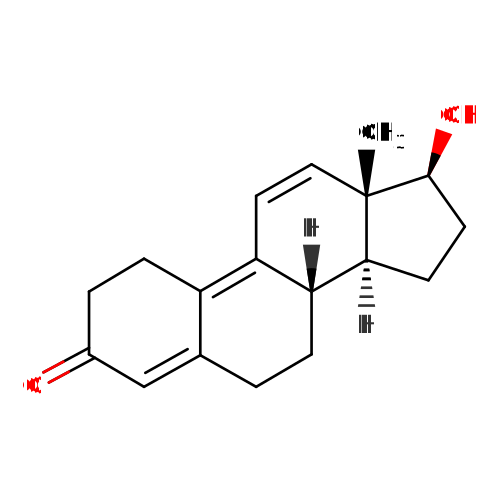
2D Structure
Molecular Formula
scienceC25H34O3
Molar Mass
science382.5 g/mol
Active Half-Life
science7-10 Days
Anabolic/Androgenic Ratio
science500:500
bolt Mechanism of Action
Trenbolone Enanthate is the long-acting version of Trenbolone. It provides the same powerful muscle-building and fat-burning benefits as Acetate but with fewer injections.
- Potency: 5x more anabolic and androgenic than Testosterone.
- Stability: More stable blood levels than Acetate.
Commitment
Once injected, it stays in system for weeks. Not for beginners.
medication Dosing Protocol
| Experience Level | Daily Dosage | Cycle Duration |
|---|---|---|
| Intermediate | 200-400 mg | 10-12 Weeks |
* Side effects linger longer if they occur compared to Acetate.
security Safety Profile
warning Common Side Effects
-
bedtime
Night Sweats
Profuse sweating during sleep.
-
psychology
Insomnia
"Trensomnia" is very common.
dangerous Severe/Rare Side Effects
-
lungs
Cardio
Significantly reduces cardiovascular endurance.
shopping_cart Related Products

Disclaimer: This content is for informational and educational purposes only. It does not constitute medical advice.