Testosterone Propionate
Clinical Overview
Overview
Testosterone propionate is a synthetic ester of the natural androgen testosterone designed for intramuscular administration. First synthesized in the 1930s during early steroid chemistry efforts, testosterone propionate was among the first commercially available injectable testosterone esters and was commonly used clinically for androgen replacement before longer‑acting esters (such as enanthate and cypionate) became more prevalent.
Common uses:
- In medicine, testosterone propionate has been used for androgen replacement therapy in men with primary or secondary hypogonadism, for induction of puberty in male adolescents with delayed puberty, and occasionally in certain contexts of catabolic states to promote nitrogen balance.
- In non‑medical contexts, testosterone propionate has been used for performance enhancement and physique/strength goals because of its potent anabolic effects and relatively rapid onset of action compared with longer‑acting esters.
Drug classification:
- Androgen; anabolic–androgenic steroid (AAS)
- Prodrug of testosterone (testosterone ester)
- Commercial preparations are injectable oil solutions of the 17β‑propionate ester of testosterone
Chemical Properties
- Chemical name: Testosterone 17β‑propionate (17β‑propionyloxy‑androst‑4‑en‑3‑one)
- Molecular formula: C22H32O3
- Molecular weight: approximately 344.49 g·mol−1
- Structural features:
- Core steroid nucleus of testosterone (androstane steroid with a Δ4‑3‑one configuration)
- Propionate ester attached at the 17β hydroxyl group (17β‑O‑CO‑CH2‑CH3), increasing lipophilicity and modifying release kinetics after intramuscular injection
- Physical characteristics:
- Crystalline solid in pure form; typically supplied as an oil solution for injection
- Poor solubility in water; soluble in common organic solvents and oils used for depot injections
- Ester type:
- Short‑to‑medium‑acting fatty acid ester (propionate; three‑carbon carboxylic acid)
- Compared with longer esters (enanthate, cypionate), propionate confers a faster release and shorter duration of action
- Half‑life and detection time:
- Elimination half‑life following intramuscular injection is relatively short; estimates commonly cited are on the order of ~0.8–2 days (approximately 19–48 hours) for systemic testosterone elevation deriving from the depot release. Because depot kinetics and individual metabolism vary, effective dosing intervals are often every 48–72 hours in clinical or non‑medical use.
- Detection windows for doping tests depend on metabolic markers and testing sensitivity; testosterone and its metabolites can be detectable in urine for days to several weeks after administration. Long‑term suppression/enrichment of certain steroid profile markers may remain evident for substantially longer periods.
Mechanism of Action
- Prodrug activation:
- Testosterone propionate is a prodrug that is hydrolyzed by tissue and plasma esterases to release free (unesterified) testosterone, the active androgen.
- Receptor binding and activity:
- Free testosterone binds to the androgen receptor (AR), a nuclear transcription factor widely expressed in androgen‑sensitive tissues (muscle, bone, prostate, skin, central nervous system, etc.).
- The testosterone–AR complex translocates to the nucleus, binds androgen response elements in DNA, and modulates transcription of genes that mediate androgenic and anabolic effects such as protein synthesis, muscle growth, erythropoiesis stimulation, and secondary sexual characteristic maintenance.
- Peripheral metabolism:
- Testosterone can be reduced by 5α‑reductase to dihydrotestosterone (DHT), a more potent AR agonist in tissues with high 5α‑reductase activity (e.g., prostate, hair follicles, skin). This conversion mediates many androgenic effects such as prostate growth and androgenic alopecia.
- Testosterone can be aromatized by aromatase to estradiol (estrogen), which contributes to effects such as bone maintenance, modulation of libido, and potential gynecomastia when estrogen levels increase relative to androgen.
- Anabolic/androgenic ratio:
- Testosterone (the active moiety) is the reference compound for anabolic/androgenic activity; esters do not alter intrinsic receptor potency once hydrolyzed. Therefore, testosterone propionate retains the anabolic/androgenic profile of testosterone itself (classically considered approximately 100:100 by reference assays).
- Metabolic pathway summary:
- After hydrolysis to testosterone, primary metabolic routes include reduction to DHT (via 5α‑reductase), aromatization to estradiol (via aromatase), hepatic metabolism (phase I and phase II reactions) to polar metabolites, and renal excretion of conjugates.
Medical Information
Therapeutic applications:
- Androgen replacement in men with hypogonadism caused by congenital or acquired conditions (e.g., primary testicular failure, pituitary/hypothalamic disease).
- Induction of puberty in adolescent males with delayed puberty under specialist supervision.
- Less commonly used for certain wasting conditions, anemia of chronic disease, or catabolic states where anabolic effects are desirable and approved.
Typical dosage ranges:
- Dosage and regimen depend on indication and patient response. Historically used regimens have included:
- Adult male hypogonadism: 25–100 mg injected intramuscularly every 48–72 hours (many clinicians prefer longer‑acting esters or transdermal formulations in contemporary practice).
- Pubertal induction: lower, carefully titrated doses under pediatric endocrinology guidance.
- Note: Contemporary clinical practice often favors other testosterone esters or delivery systems (transdermal gels, patches, longer‑acting injectable esters) for convenience and smoother serum testosterone levels.
Administration routes:
- Intramuscular (IM) injection into a large muscle (gluteal, deltoid, or thigh muscles) is the standard route for oil‑based testosterone propionate preparations.
- Subcutaneous injection of testosterone esters has been explored clinically, but IM remains conventional for propionate formulations.
- Oral administration is ineffective due to rapid first‑pass metabolism; propionate is not a 17α‑alkylated oral steroid.
Duration of use:
- For replacement therapy, treatment is generally long‑term and individualized based on clinical response, biochemical monitoring of serum testosterone, hematocrit, lipid profile, and prostate health.
- Short‑term therapeutic courses may be used in some contexts (e.g., pubertal induction protocols), but ongoing surveillance is required.
Safety Profile
Common side effects:
- Androgenic effects: acne, oily skin, increased facial/body hair, male pattern hair loss (in susceptible individuals)
- Fluid retention and edema
- Increased red blood cell mass (polycythemia/erythrocytosis), which may increase thrombotic risk if hematocrit rises excessively
- Libido and mood changes
- Injection‑site pain, inflammation, or local irritation (propionate is noted to be more painful than some longer esters)
- Gynecomastia due to aromatization to estradiol in some patients
- Changes in serum lipids: potential reductions in HDL cholesterol and alterations in LDL
Serious adverse reactions:
- Cardiovascular: potential association with increased risk of hypertension, adverse lipid changes, and cardiovascular events in certain populations—data vary and depend on comorbidities and dosing patterns
- Prostate: stimulation of benign prostatic hyperplasia and potential promotion of progression of existing prostate cancer; screening and monitoring are standard in androgen therapy
- Hepatic injury: severe liver toxicity is uncommon with non‑17α‑alkylated injectable esters; however, underlying liver disease requires caution
- Thromboembolic events: cases of deep vein thrombosis and pulmonary embolism have been reported with androgen use, particularly when hematocrit is elevated
- Endocrine suppression: exogenous testosterone suppresses the hypothalamic‑pituitary‑gonadal (HPG) axis, decreasing endogenous testosterone production and spermatogenesis, potentially causing infertility that may be reversible or prolonged after cessation
Drug interactions:
- Anticoagulants (e.g., warfarin): androgens can potentiate or attenuate anticoagulant effects through effects on coagulation factors and vitamin K metabolism—close monitoring required
- Corticosteroids: concurrent use may increase risk of fluid retention and edema
- Insulin and oral hypoglycemics: androgens can influence glucose metabolism and insulin sensitivity; dose adjustments of antidiabetic therapy may be needed
- Drugs affecting hepatic metabolism: concomitant use with drugs that induce or inhibit hepatic enzymes can alter steroid metabolism and circulating concentrations of testosterone and metabolites
Contraindications:
- Known or suspected prostate or breast cancer in men
- Hypersensitivity to testosterone or formulation excipients
- Pregnancy and breastfeeding (androgens cause virilization of a female fetus and can masculinize an infant)
- Uncontrolled severe heart failure, severe hepatic or renal disease, or polycythemia without appropriate management
Monitoring during therapy:
- Baseline and periodic assessment of serum testosterone, hematocrit/hemoglobin, lipid profile, liver function tests, prostate‑specific antigen (PSA) and digital rectal exam where appropriate; blood pressure and symptoms surveillance
Legal Status
- Regulatory classification:
- In many jurisdictions, testosterone and its esters are classified as controlled substances due to potential for abuse, diversion, and health risks. For example, in the United States, testosterone formulations are Schedule III controlled substances under the Controlled Substances Act.
- National regulatory frameworks differ; availability and scheduling vary by country and formulation.
- Prescription requirements:
- Testosterone propionate commercially supplied for therapeutic use typically requires a prescription from a licensed medical practitioner and must be dispensed by a pharmacy or authorized supplier. Unsupervised acquisition and use are regulated.
- Sports anti‑doping status:
- Exogenous testosterone and its esters are prohibited substances in competitive sports under the World Anti‑Doping Agency (WADA) list. Use without a Therapeutic Use Exemption (TUE) is considered doping.
- Anti‑doping tests examine testosterone/epitestosterone ratios, urinary steroid profiles, and long‑term athlete biological passport markers to detect exogenous administration and physiological effects of androgenic agents.
Summary table (key properties)
| Property | Information |
|---|---|
| Chemical name | Testosterone propionate (testosterone 17β‑propionate) |
| Molecular formula | C22H32O3 |
| Molecular weight | ≈344.49 g·mol−1 |
| Administration | Intramuscular injection (oil depot) |
| Typical clinical dosing | Historically 25–100 mg IM every 48–72 hours (individualized) |
| Half‑life (approx.) | ~0.8–2 days (depot release; dosing often every 48–72 hours) |
| Mechanism | Ester hydrolyzed to testosterone → AR agonism; aromatization to estradiol; reduction to DHT |
| Main risks | Androgenic effects, erythrocytosis, lipid changes, prostate stimulation, cardiovascular effects |
This entry summarizes the pharmacology, clinical uses, and safety considerations of testosterone propionate. Clinically appropriate use requires medical supervision, individualized dosing, and routine monitoring of hematologic, metabolic, and prostate parameters.
science Chemical Properties
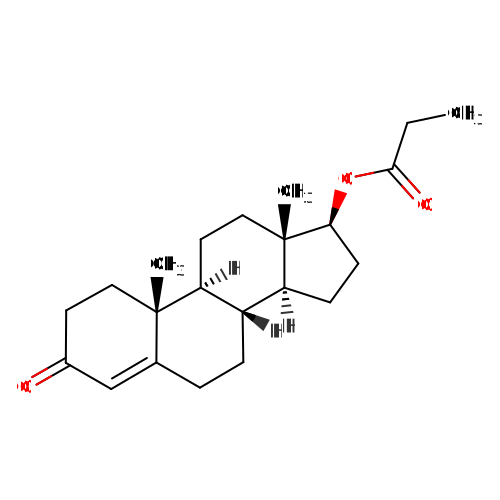
2D Structure
CAS Number
tag57-85-2
Molecular Formula
scienceC22H32O3
Molar Mass
science344.5 g/mol
Active Half-Life
science2-3 Days
Anabolic/Androgenic Ratio
science100:100
CAS Number
science57-85-2
bolt Mechanism of Action
Testosterone Propionate is a fast-acting testosterone ester. It requires frequent injections but allows for rapid control of blood levels and less water retention than longer esters.
- Fast Acting: Levels peak within hours.
- Control: Side effects subside quickly upon cessation.
Frequency
Missed injections cause immediate crash.
medication Dosing Protocol
| Experience Level | Daily Dosage | Cycle Duration |
|---|---|---|
| Cutting | 300-400 mg | 8-10 Weeks |
* Must inject Every Other Day (EOD) or daily.
security Safety Profile
warning Common Side Effects
-
medical_services
PIP
Post Injection Pain is common.
-
dermatology
Androgenic
Standard testosterone side effects.
dangerous Severe/Rare Side Effects
shopping_cart Related Products
Disclaimer: This content is for informational and educational purposes only. It does not constitute medical advice.