Primobolan
Clinical Overview
Overview
Primobolan is the trade name most commonly associated with the anabolic–androgenic steroid methenolone. First introduced in the 1960s, methenolone was developed as an anabolic compound with relatively mild androgenic effects and became used clinically for wasting conditions and other states of catabolism. Over time it has also been used outside of medicine for physique and performance enhancement because of its reputation for producing anabolic effects with a lower incidence of some androgenic and estrogenic side effects compared with many other anabolic steroids.
Common uses
- Medicine: Historically prescribed to treat muscle wasting, cachexia, osteoporosis and to support convalescence in catabolic patients who require anabolic support with a lower androgenic burden.
- Performance enhancement: Used by athletes and bodybuilders for lean mass preservation, “cutting” phases where fat loss is desired with minimal water retention, and by some users who prioritize a lower side-effect profile.
Drug classification
- Class: Androgen and anabolic steroid (AAS)
- Chemical family: 1-methyl-5α-androst-1-en derivatives of dihydrotestosterone (DHT) analogs
- Preparations: Available historically as both an oral form (methenolone acetate) and an injectable long-ester form (methenolone enanthate/conjugates).
Chemical Properties
Molecular structure and formula
- Core structure: Methenolone is a DHT-derived steroid with a 1-methyl substitution and a 1-ene double bond (often described as 1-methyl-5α-androst-1-en-17β-ol-3-one).
- Reported molecular formulas (commonly cited):
- Methenolone (base): C20H30O2
- Methenolone acetate (oral ester): C22H32O3
- Methenolone enanthate (injectable ester): C26H38O3
- Structural features: The 1-methyl group and the 1-ene double bond distinguish methenolone from DHT and alter its metabolic stability and receptor interactions. Esterification at the 17β-hydroxyl produces oral (acetate) or injectable (long-chain ester) formulations.
Physical characteristics
- Appearance: Pure methenolone derivatives are crystalline solids; pharmaceutical preparations are available as tablets (acetate) or oil suspensions/solutions (enanthate).
- Solubility: Poor water solubility; esters are formulated in oil for intramuscular injection or as tablet formulations for the acetate.
Ester type
- Methenolone acetate: Short-chain acetate ester; used in oral tablet formulations (acetylation masks the 17β-OH and influences pharmacokinetics).
- Methenolone enanthate: Long-chain enanthate ester; used in intramuscular oil-based injections to provide a longer duration of action.
Half-life and detection time (reported/approximate)
- Methenolone acetate (oral): Shorter plasma half-life; reported elimination half-life is on the order of hours (commonly cited ~6–10 hours), requiring daily dosing for stable levels.
- Methenolone enanthate (injectable): Long-acting; reported half-life ranges from approximately 7–14 days depending on the preparation and individual metabolism.
- Detection windows: Metabolites can be detectable in urine for several weeks after cessation. For the enanthate ester, detection times may extend to multiple weeks (and in some sensitive assays up to a few months) depending on dose, frequency, and testing methods.
Mechanism of Action
How it works in the body
- Methenolone exerts its primary pharmacological effects by binding to androgen receptors (AR) in target tissues and acting as an agonist.
- Activation of AR modulates transcription of androgen-responsive genes that promote protein synthesis, nitrogen retention, and positive changes in muscle metabolism.
Receptor binding and activity
- AR affinity: Methenolone is an androgen receptor agonist with meaningful anabolic effects; compared with testosterone, it exhibits relatively reduced androgenic activity in many target tissues.
- Aromatization: Unlike testosterone, methenolone is derived from DHT and is not aromatizable to estrogen; therefore, it does not produce estrogenic side effects such as significant water retention or gynecomastia via aromatase conversion.
- 5α-reductase: Because methenolone is already a DHT derivative, conversion by 5α-reductase is not a significant metabolic pathway that alters its androgenicity, in contrast to testosterone which can be potentiated in certain tissues.
Anabolic/androgenic ratio
- Methenolone is noted for a relatively favorable anabolic-to-androgenic profile compared with many testosterone derivatives. Various in vitro and animal-based assays suggest it provides anabolic effects with lower androgenic activity; precise numeric ratios vary between sources, but it is generally categorized as a predominantly anabolic compound with reduced virilizing potential relative to many other AAS.
Metabolic pathway
- Primary metabolism occurs in the liver and involves reduction, oxidation and conjugation (glucuronidation/sulfation) of the steroid nucleus and side chains.
- Because methenolone is not substantially aromatized, estrogenic metabolites are not a principal product.
- Ester hydrolysis (for enanthate or acetate) regenerates the parent alcohol (methenolone) prior to further metabolism and excretion.
Medical Information
Therapeutic applications
- Historically used in:
- Treatment of muscle wasting and cachexia associated with chronic illness.
- Treatment of osteoporosis and other catabolic conditions.
- Promotion of weight gain in debilitated patients.
- Many of these clinical indications have been superseded by other therapies; formulations and approved uses vary by country and era.
Typical dosage ranges (historical/clinical and recreational reports)
- Clinical therapeutic dosing (historical): Lower doses used for catabolic states; exact historical regimens varied by indication, patient weight and physician practice.
- Reported ranges (educational context):
- Methenolone acetate (oral): Historically doses around 25–100 mg/day for therapeutic use (reports vary).
- Methenolone enanthate (injectable): Therapeutic/investigational doses often reported in the range of 50–200 mg every 1–2 weeks; in performance contexts, higher doses and more frequent injections have been used.
- Note: Doses used for performance enhancement generally exceed therapeutic regimens and are associated with increased risk of adverse effects.
Administration routes
- Oral: Methenolone acetate tablets taken daily.
- Intramuscular injection: Methenolone enanthate administered as oil-based intramuscular injections at intervals determined by the ester half-life (commonly weekly to biweekly).
Duration of use
- Clinical courses are typically limited to the duration needed to treat the underlying condition and monitored by a healthcare provider.
- In performance settings, cycles of 6–12 weeks are commonly reported; longer durations increase cumulative exposure and risk of adverse effects.
Safety Profile
Common side effects
- Androgenic effects (generally milder than many other AAS but can still occur):
- Acne
- Increased facial and body hair in susceptible individuals
- Scalp hair loss (in those genetically predisposed to androgenic alopecia)
- Lipid disturbances:
- Reduction in high-density lipoprotein (HDL) cholesterol
- Elevation in low-density lipoprotein (LDL) cholesterol
- These changes can increase cardiovascular risk if sustained
- Endocrine effects:
- Suppression of the hypothalamic–pituitary–gonadal (HPG) axis leading to reduced endogenous testosterone production and testicular atrophy with prolonged use
Serious adverse reactions
- Cardiovascular: Adverse lipid profile changes, potential increases in blood pressure, and potential effects on cardiac structure/function with long-term or high-dose exposure.
- Hepatic: Methenolone is generally considered to have lower hepatotoxicity than 17α-alkylated anabolic steroids; oral acetate is not a classic 17α-alkylated compound, but any oral steroid may impose some hepatic burden and liver function should be monitored.
- Psychological/behavioral: Mood changes, aggression, and other psychiatric effects have been reported with AAS use.
- Virilization in females: Deepening of the voice, menstrual irregularities, clitoral enlargement.
Drug interactions
- Concurrent use with other androgens or anabolic agents may amplify androgenic, lipid and cardiovascular effects.
- Interactions may occur with drugs that affect hepatic metabolism (CYP enzymes), potentially altering methenolone levels or the co-administered drug levels.
- Co-use with medications that affect coagulation, blood pressure or lipids should be approached with caution and under supervision.
Contraindications
- Pregnancy and breastfeeding: Androgens can cause virilization of a female fetus and are contraindicated.
- Known or suspected prostate cancer or breast cancer in males: Androgens may exacerbate androgen-sensitive malignancies.
- Pre-existing cardiovascular disease, severe hepatic disease, or significant hyperlipidemia without close medical supervision.
- Individuals with hypersensitivity to methenolone or formulation excipients.
Monitoring considerations (clinical)
- Periodic assessment of liver function tests, fasting lipid profile, blood pressure, hematocrit/hemoglobin, and endocrine parameters (serum testosterone, LH/FSH) is standard when AAS are used therapeutically.
Legal Status
Regulatory classification
- Methenolone and its esters are regulated in many jurisdictions and are classified as controlled substances or prescription-only medications in numerous countries. Regulatory status varies by nation and by formulation.
Prescription requirements
- In jurisdictions where methenolone is approved for medical use, it is typically available only by prescription and under the oversight of a licensed healthcare provider.
- Availability of oral acetate versus injectable enanthate differs by country and over time, and some formulations may no longer be marketed.
Sports anti-doping status
- Methenolone and its metabolites are prohibited substances under major sports anti-doping organizations, including the World Anti‑Doping Agency (WADA).
- Use of methenolone in or out of competition can result in a positive doping test and sanctions for athletes subject to anti-doping rules.
References and sources
- The information summarized here is drawn from pharmacology texts, clinical literature on anabolic-androgenic steroids, and standard references on steroid chemistry and metabolism. Specific product formulations, regulatory approvals, dosing and monitoring recommendations have varied historically and geographically; clinical use requires reference to current local prescribing information and regulatory guidance.
science Chemical Properties
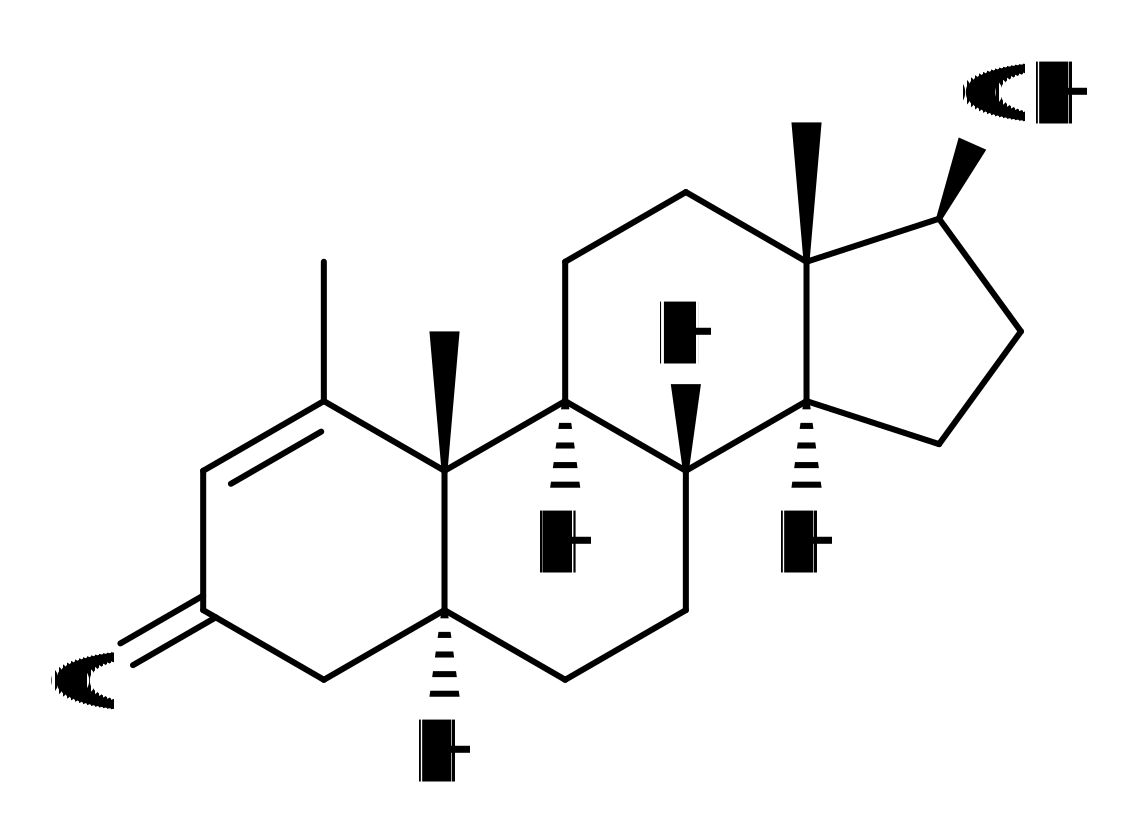
2D Structure
Molecular Formula
scienceC27H42O3
Molar Mass
science414.6 g/mol
Active Half-Life
science10.5 Days
Anabolic/Androgenic Ratio
science88:44
bolt Mechanism of Action
Methenolone Enanthate (Primobolan) is widely considered one of the safest anabolic steroids. Nontoxic to the liver, non-aromatizing, and very mild, it provides slow, retainable gains.
- Safety: Golden standard for side-effect free cycles.
- Retention: Gains are almost 100% muscle and easy to keep.
Cost/Fakes
Often faked due to high production cost.
medication Dosing Protocol
| Experience Level | Daily Dosage | Cycle Duration |
|---|---|---|
| Women | 50-100 mg | 8-10 Weeks |
| Men (Std) | 400-600 mg | 12-16 Weeks |
| Men (Adv) | 800 mg+ | 16 Weeks |
* Requires high doses for men due to mild nature.
security Safety Profile
warning Common Side Effects
-
content_cut
Hair Loss
Can accelerate male pattern baldness.
-
block
Mild Suppression
Suppresses HPTA less than others, but still requires PCT.
dangerous Severe/Rare Side Effects
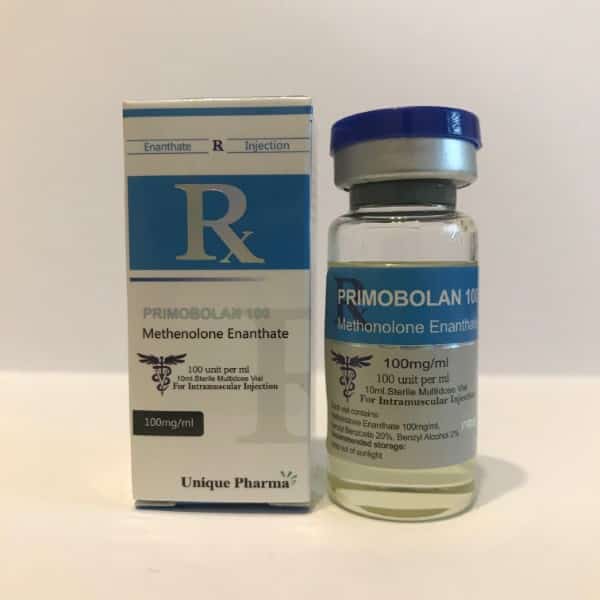
shopping_cart Related Products

Disclaimer: This content is for informational and educational purposes only. It does not constitute medical advice.