Parabolan
Clinical Overview
Overview
Parabolan is the trade name most commonly associated with trenbolone hexahydrobenzylcarbonate, a long-acting injectable progestogenic anabolic–androgenic steroid (AAS) derivative of nandrolone and trenbolone. First introduced in the 1980s, Parabolan was developed for human therapeutic use but was never widely adopted clinically. Its potent anabolic effects and pronounced androgenic profile led to its rapid appropriation in the performance-enhancement community, and production for legitimate medical markets was subsequently discontinued in many countries.
Common uses in medicine and performance enhancement
- Historical/clinical: Parabolan was investigated and briefly marketed for indications similar to other anabolic steroids — for example, catabolic states, severe weight loss, and as an adjunct in muscle-wasting disorders. Clinical adoption was limited, and formal therapeutic indications were not broadly established.
- Performance enhancement: In non-medical contexts, Parabolan has been used off-label to promote lean mass gain, strength increases, and fat reduction. Its potency relative to many other AAS, together with its lack of aromatization to estrogens, made it attractive to bodybuilders and athletes despite substantial adverse-effect risk.
Drug classification
- Pharmacologic class: Anabolic–androgenic steroid; progestogen (trenbolone derivatives exhibit progestogenic activity).
- Chemical class: 19-nor steroid (trenbolone is a 19-nor derivative with additional double bonds conferring unique receptor binding properties).
Chemical Properties
- Chemical name: Trenbolone hexahydrobenzylcarbonate (commonly abbreviated tren hexahydrobenzylcarbonate)
- Chemical formula: N/A (trenbolone base formula C18H22O2; adding a hexahydrobenzylcarbonate ester modifies molar mass and formula; specific esterified salt formula varies)
- Molecular structure: Streoid nucleus derived from nandrolone (19-nortestosterone) with additional double bonds at positions 9 and 11 on the A and B rings (trienolone core). The hexahydrobenzylcarbonate moiety is a bulky, lipophilic carbonate ester attached at the 17β-hydroxyl, producing a depot preparation that is hydrolyzed in vivo to release active trenbolone.
- Physical characteristics:
- Formulation: Oil-based injectable solution for intramuscular administration.
- Solubility: Practically insoluble in water; soluble in oils and organic solvents typical of depot steroid preparations.
- Ester type: Hexahydrobenzylcarbonate — a long-chain carbonate ester (also called cyclohexylmethylcarbonate in some nomenclatures) that prolongs release of the active steroid from intramuscular depot.
- Half-life and detection time:
- Half-life: Depot half-life for the esterified preparation is extended relative to short-acting esters (e.g., trenbolone acetate). Reported elimination half-life estimates for the hexahydrobenzylcarbonate ester vary; typical estimates in the literature and pharmacokinetic discussions place effective activity half-life in the range of approximately 7–14 days, depending on formulation and individual metabolism.
- Detection time: Trenbolone metabolites can be detected in urine for weeks to months after administration, depending on dose, duration of use, assay sensitivity, and the specific ester used. Anti-doping agencies consider trenbolone and its metabolites prohibited and subject to long detection windows.
Mechanism of Action
- How it works in the body:
- After intramuscular administration, the hexahydrobenzylcarbonate ester is cleaved by esterases to release the active trenbolone molecule. Trenbolone enters target cells and binds to androgen receptors (AR) in muscle, bone, and other androgen-responsive tissues, modulating gene transcription to produce anabolic and androgenic effects.
- Receptor binding and activity:
- Androgen receptor: Trenbolone is a high-affinity AR agonist, exhibiting stronger AR binding and transcriptional activity than testosterone in many assays.
- Progesterone receptor: Trenbolone also exhibits progestogenic activity through progesterone receptor agonism, which can influence the hypothalamic–pituitary–gonadal (HPG) axis and other physiological responses.
- Estrogen receptor: Trenbolone does not aromatize to estrogens and therefore lacks direct estrogenic activity; however, its progestogenic profile and potent androgenic action can lead to indirect effects on estrogen-regulated processes.
- Anabolic/androgenic ratio:
- Trenbolone is often described as having a high anabolic/androgenic ratio. While precise numeric ratios depend on assay methods, trenbolone is generally considered more anabolic and more androgenic than testosterone per unit receptor activation, contributing to strong muscular and strength effects as well as a pronounced risk of androgenic adverse effects.
- Metabolic pathway:
- Metabolism primarily occurs in the liver, where trenbolone is reduced and hydroxylated to a range of metabolites. These metabolites are conjugated (glucuronidation and sulfation) and excreted in urine. Because trenbolone cannot be aromatized, its metabolic profile lacks estrogenic metabolites; however, unique trenbolone metabolites are the target of anti-doping assays.
Medical Information
- Therapeutic applications:
- Historically investigated for treatment of cachexia, severe wasting, and other catabolic conditions. It has not been widely adopted or maintained as a standard therapeutic agent for these indications. No contemporary, widely accepted medical role exists for trenbolone hexahydrobenzylcarbonate in most jurisdictions.
- Typical dosage ranges (historical and reported use):
- Medical: Clinical dosing when the product was available was relatively conservative and infrequent; precise therapeutic dosing schedules were not standardized due to limited approval and use.
- Non-medical/athlete-reported: In performance-enhancement contexts, long-acting trenbolone esters have been reported at a wide range of dosing regimens. Reports vary considerably; commonly cited athlete-reported regimens for long esters approximate 50–200 mg every 7–14 days, but some users report substantially higher dosing. These reported ranges reflect off-label, non-medical use and carry increased risk of adverse effects.
- Administration routes:
- Intramuscular injection into large muscle groups (e.g., gluteus, quadriceps). The oily depot formulation is designed for IM administration and should not be administered intravenously.
- Duration of use:
- Clinical durations were typically limited to therapeutic courses tailored to the underlying indication. In non-medical use, cycles of several weeks to several months have been reported; extended or repeated use increases cumulative risk of adverse effects and long-term endocrine disruption.
Safety Profile
- Common side effects:
- Androgenic/virilizing effects: Acne, oily skin, increased facial/body hair, male-pattern hair loss (in genetically susceptible individuals), voice deepening (more likely with prolonged exposure), and clitoromegaly in women.
- Endocrine suppression: Suppression of endogenous testosterone production through negative feedback on the HPG axis, leading to hypogonadism upon cessation if not appropriately managed.
- Mood and neuropsychiatric effects: Mood swings, increased aggression, irritability, anxiety, and in some individuals depression or exacerbation of underlying psychiatric conditions.
- Cardiometabolic effects: Adverse alterations in lipid profile (decreased HDL, increased LDL), potential increases in blood pressure, and impacts on cardiovascular risk markers.
- Local injection-site reactions: Pain, swelling, and risk of injection-site infection if aseptic technique is inadequate.
- Sleep disturbances: Reports of insomnia and "night sweats" with trenbolone use.
- Serious adverse reactions:
- Cardiovascular events: Long-term alterations in lipid profiles and blood pressure contribute to enhanced cardiovascular risk; case reports exist linking AAS use to myocardial infarction, cardiomyopathy, and sudden cardiac death, particularly with prolonged, high-dose use.
- Prolonged hypogonadism: Persistent suppression of the HPG axis can lead to long-lasting low testosterone, infertility, and genital atrophy in men.
- Psychiatric sequelae: Severe mood disorders, psychosis, or aggressive behavior in susceptible individuals.
- Hepatic effects: While non-17α-alkylated injectable AAS are generally less hepatotoxic than oral 17α-alkylated agents, the liver remains involved in metabolism and aberrant liver function tests have been observed with some users.
- Drug interactions:
- Interactions with other androgenic agents, other AAS, or medications affecting hepatic metabolism (CYP enzymes) may alter steroid levels or risk profiles.
- Concomitant use with anticoagulants, antihypertensives, or lipid-lowering agents should be monitored clinically due to potential additive or antagonistic effects.
- Drugs that modulate the HPG axis (e.g., GnRH analogues) will interact on endocrine endpoints.
- Contraindications:
- Known prostate or breast cancer in men and women (androgen-sensitive tumors).
- Pregnancy and breastfeeding (androgens can virilize female fetuses and infants).
- Severe cardiac, hepatic, or renal disease without specialist oversight.
- Hypersensitivity to trenbolone or formulation excipients.
Legal Status
- Regulatory classification:
- Trenbolone esters, including hexahydrobenzylcarbonate formulations, are controlled substances in many countries and are classified under national drug control laws governing anabolic–androgenic steroids. Specific scheduling varies by jurisdiction.
- Prescription requirements:
- Where legal for medical use, trenbolone formulations would require a prescription and oversight by a licensed healthcare professional. In many countries there are no approved human medical products currently marketed, so legal possession or supply without appropriate authority is restricted.
- Sports anti-doping status:
- Trenbolone and its esters are prohibited substances under World Anti-Doping Agency (WADA) regulations and other international and national sporting bodies. Detection of trenbolone metabolites or the parent compound is considered an anti-doping rule violation, and positive tests typically result in sanctions.
Notes and context
- Distinction among trenbolone esters: Trenbolone is formulated with several esters (e.g., acetate, enanthate, hexahydrobenzylcarbonate). Ester choice affects release kinetics, injection frequency, and detection windows; the hexahydrobenzylcarbonate ester is a long-acting preparation intended to reduce injection frequency relative to shorter esters.
- Clinical vs. non-clinical data: Much of the available information on trenbolone hexahydrobenzylcarbonate in humans derives from historical, limited clinical reports, veterinary literature (trenbolone acetate is used in veterinary medicine), and non-peer-reviewed accounts from non-medical users. Controlled contemporary clinical data in humans are limited.
- Monitoring and management: In therapeutic contexts or when patients disclose AAS use, medical monitoring is prudent — including assessment of hepatic function, lipid profile, blood pressure, hematocrit/hemoglobin, and endocrine function (testosterone, gonadotropins). Management of adverse effects may require multidisciplinary care.
References and further reading
- Primary literature on anabolic steroid pharmacology, androgen receptor pharmacodynamics, and steroid metabolism provides mechanistic context.
- Anti-doping agencies (WADA) and national regulatory authorities maintain lists of prohibited substances and legal classifications.
- Clinical reviews of anabolic steroid adverse effects summarize cardiovascular, psychiatric, endocrine, and hepatic risks associated with AAS exposure.
This entry is intended to provide an evidence-based, scientific overview of trenbolone hexahydrobenzylcarbonate (Parabolan) including its pharmacology, reported clinical and non-clinical usage, and safety considerations.
science Chemical Properties
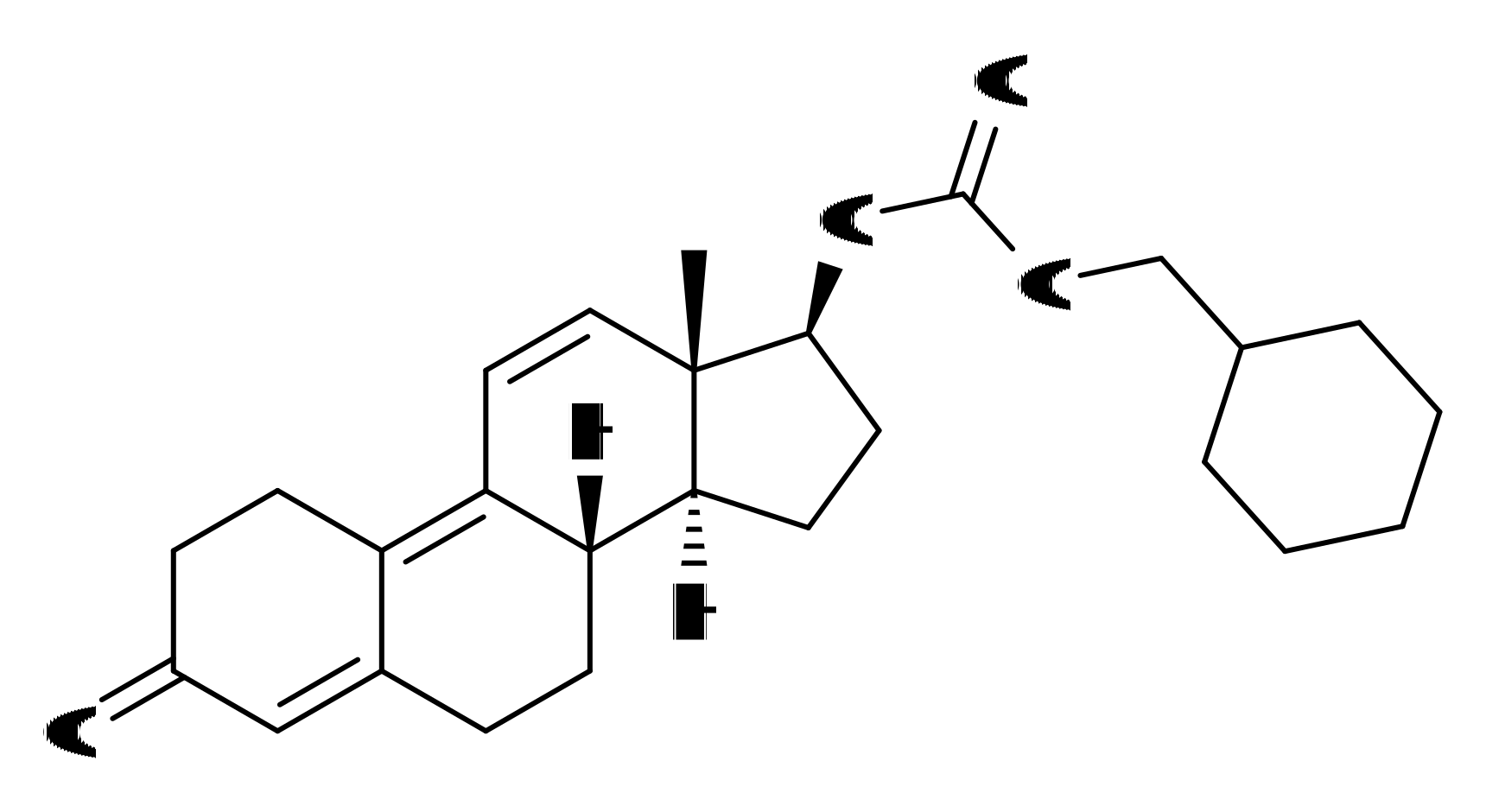
2D Structure
Molecular Formula
scienceC26H34O4
Molar Mass
science410.5 g/mol
Active Half-Life
science14 Days
Anabolic/Androgenic Ratio
science500:500
bolt Mechanism of Action
Parabolan is Trenbolone Hexahydrobenzylcarbonate. It is a medium-acting ester of Trenbolone, historically famous for providing high-quality lean mass.
- Legendary: The original French Trenbolone.
- Medium Ester: Weekly injections possible.
Counterfeits
Most liquid Parabolan is actually Acetate or Enanthate.
medication Dosing Protocol
| Experience Level | Daily Dosage | Cycle Duration |
|---|---|---|
| Advanced | 200-300 mg | 8-10 Weeks |
* Similar profile to Tren Enanthate.
security Safety Profile
warning Common Side Effects
dangerous Severe/Rare Side Effects
-
warning
Tren Side Effects
All standard Trenbolone side effects apply.
shopping_cart Related Products

Disclaimer: This content is for informational and educational purposes only. It does not constitute medical advice.