NPP
Clinical Overview
Overview
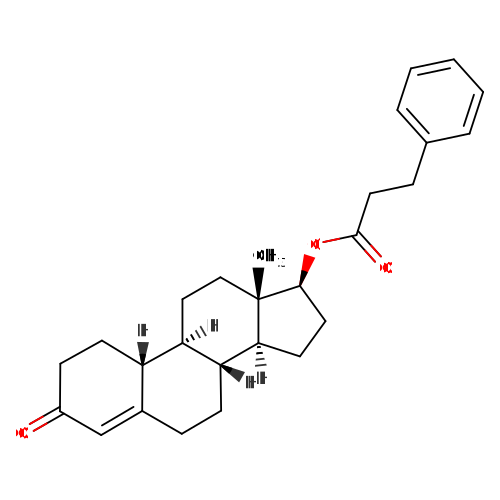
Nandrolone phenylpropionate (commonly abbreviated NPP) is an injectable anabolic-androgenic steroid (AAS) belonging to the 19-nor testicular hormone family (nandrolone derivatives). It is the phenylpropionate ester of nandrolone (19‑nortestosterone), designed to prolong the parent molecule's release after intramuscular administration. NPP emerged in the mid-20th century as one of several esterified nandrolone formulations developed for clinical use; historically it was marketed under various trade names for indications such as anemia, cachexia and osteoporosis. Because the phenylpropionate ester is shorter than decanoate, NPP produces a relatively rapid onset of action with a shorter duration than nandrolone decanoate.
Common non-medical uses include performance enhancement and physique modification among athletes and bodybuilders, where it has been employed for its anabolic properties and comparatively reduced androgenic profile versus testosterone.
Drug classification
- Chemical class: 19-norandrogen (nandrolone derivative)
- Pharmacological class: anabolic-androgenic steroid (AAS)
- Formulation: intramuscularly administered esterified steroid
Chemical Properties
- Molecular formula: C27H34O3
- Molecular weight: approximately 406.56 g·mol−1
- IUPAC-related description: nandrolone (19‑nortestosterone) esterified at the 17β‑hydroxyl with phenylpropionic acid (phenylpropionate ester)
- Structural features:
- Steroid nucleus characteristic of nandrolone (lacks the C19 methyl group present in testosterone)
- Ester moiety (phenylpropionate) attached at the 17β‑hydroxyl extends lipophilicity and slows release from intramuscular depots
Physical characteristics
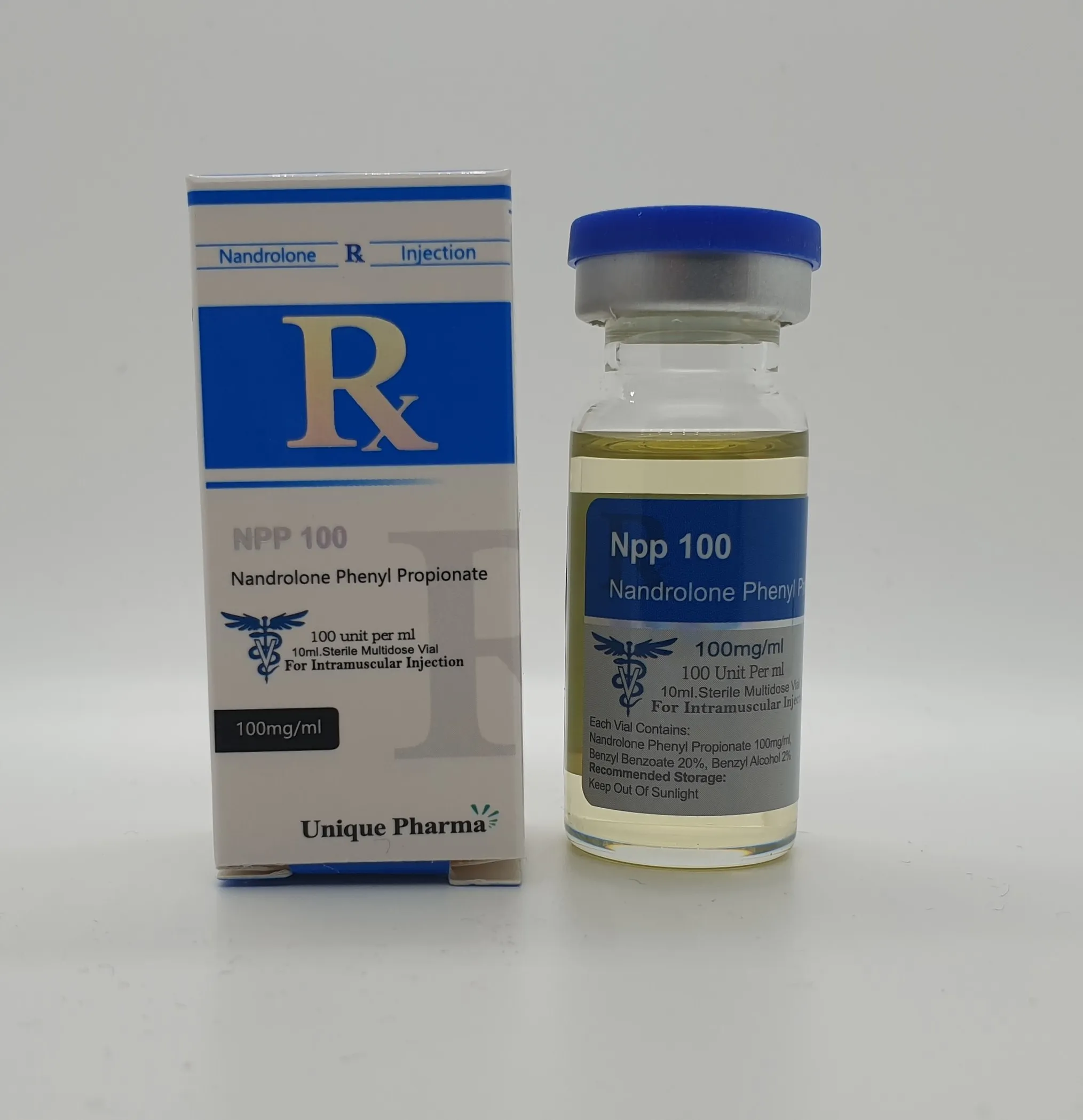
- Appearance (pharmaceutical formulations): oil-based injectable solution; clear to slightly opalescent depending on excipients and concentration
- Solubility: lipophilic; soluble in oil-based vehicles used for intramuscular injections; insoluble in water
Ester type
- Phenylpropionate ester (short-to-moderate-length ester compared with decanoate)
- The ester determines pharmacokinetic behavior: hydrolysis of the ester in the bloodstream liberates active nandrolone
Half-life and detection time
- Plasma half-life (approximate): NPP has a relatively short elimination half‑life among nandrolone esters, typically reported in the range of about 2–4 days (48–72 hours) for clinical effect, though terminal elimination of metabolites may be longer
- Detection times: metabolites of nandrolone (notably 19‑norandrosterone and 19‑noretiocholanolone) can be detected in urine for weeks to months after administration depending on dose, frequency, assay sensitivity, and individual metabolism. In anti‑doping contexts, detection windows are variable and often extended compared with plasma half‑life because of the persistence of urinary metabolites.
Mechanism of Action
How it works in the body
- Nandrolone (the liberated active steroid after ester hydrolysis) exerts effects principally through activation of the androgen receptor (AR), a nuclear receptor that regulates transcription of androgen‑responsive genes.
- Upon binding AR, the steroid–receptor complex translocates to the nucleus, binds androgen response elements on DNA, and modulates gene expression leading to anabolic processes (e.g., increased protein synthesis, nitrogen retention, and erythropoiesis).
Receptor binding and activity
- Affinity: nandrolone binds the androgen receptor with high affinity; relative transcriptional activation differs from testosterone depending on tissue and local enzyme activity.
- 5α‑reductase conversion: in androgenic tissues, nandrolone is reduced by 5α‑reductase to dihydronandrolone (DHN), which has weaker affinity for AR compared with dihydrotestosterone from testosterone. This conversion reduces androgenic effects in tissues like skin, hair follicles and prostate relative to testosterone.
- Progestogenic activity: nandrolone has measurable affinity for the progesterone receptor and displays progestogenic activity, which contributes to suppression of the hypothalamic–pituitary–gonadal (HPG) axis and may influence certain side effects (e.g., gynecomastia risk via central mechanisms).
Anabolic/androgenic ratio
- Relative to testosterone, nandrolone is generally described as having a relatively higher anabolic to androgenic ratio. Reported comparative indices vary between studies, but typical estimates place nandrolone's anabolic potency at similar to or greater than testosterone, with androgenic potency substantially lower (for example, anabolic:androgenic ratios reported in older literature are often in the order of ~100–125 anabolic to ~30–40 androgenic, depending on assay). These values are approximate and context dependent.
Metabolic pathway
- Ester hydrolysis: after intramuscular injection, the phenylpropionate ester is cleaved by esterases, releasing active nandrolone into circulation.
- Hepatic metabolism: nandrolone undergoes extensive hepatic metabolism to multiple reduced and hydroxylated metabolites (e.g., 19‑norandrosterone, 19‑noretiocholanolone) that are conjugated (glucuronidated or sulfated) and excreted in urine.
- Aromatization: nandrolone can undergo aromatization to estrogenic metabolites, but at a lower rate than testosterone. Aromatization contributes to estrogen‑related effects albeit typically less than with testosterone.
- Excretion: metabolites are principally eliminated in urine as conjugates.
Medical Information
Therapeutic applications
- Historically used indications (now largely superseded by other treatments or limited due to safety/abuse potential) included:
- Anemias associated with chronic renal disease or other etiologies (stimulation of erythropoiesis)
- Cachexia and severe weight loss due to chronic disease (to promote lean tissue)
- Osteoporosis (to increase bone mineral density and reduce fracture risk in some contexts)
- Palliative management in certain hormone‑responsive breast cancers (historically)
- Contemporary clinical use is limited in many regions; other therapies (e.g., recombinant erythropoietin, bisphosphonates, modern oncologic agents) have largely replaced nandrolone formulations for these indications.
Typical dosage ranges
- Medical dosing (historical/typical): formulations varied; intramuscular injections of 25–100 mg every 2–3 weeks were used for certain indications depending on clinical context.
- Non‑medical/performance contexts (reported ranges in literature and anecdotal sources): commonly stated regimens are in the range of 100–400 mg per week, often divided into several injections to maintain serum levels. These represent off‑label and typically supratherapeutic exposures compared with medical dosing.
Administration routes
- Intramuscular injection (oil-based depot preparations) is the standard route for NPP due to the esterified lipophilic formulation.
- Administration is typically into large muscle groups (e.g., gluteal muscles) using sterile technique.
Duration of use
- Medical courses vary by indication and response; chronic use is possible when clinically justified but monitored.
- In non‑medical settings, “cycles” of several weeks to months (commonly 6–12 weeks) are reported; duration influences cumulative exposure and risk of adverse effects.
Safety Profile
Common side effects
- Androgenic/virilizing effects:
- Acne, increased sebaceous activity
- Increased facial/body hair growth, scalp hair loss in men predisposed to androgenic alopecia
- Deepening of voice, clitoral enlargement and other virilization symptoms in women
- Endocrine suppression:
- Suppression of endogenous testosterone production via HPG axis feedback leading to testicular atrophy, reduced fertility and decreased libido upon cessation
- Cardiometabolic effects:
- Adverse changes in serum lipids (reduced HDL, increased LDL), which can elevate cardiovascular risk over time
- Possible increases in blood pressure and alterations in coagulation parameters
- Fluid retention and edema (related to progestogenic and mineralocorticoid effects)
- Injection-site reactions: pain, swelling, infection if aseptic technique is not observed
Serious adverse reactions
- Prostate effects: potential exacerbation of benign prostatic hyperplasia and theoretical risk acceleration of prostate cancer progression in men with preexisting disease (nandrolone has lesser androgenic activity in the prostate than testosterone but still affects androgen‑sensitive tissues)
- Thromboembolic events: increased risk associated with supra‑physiological AAS use in some reports
- Psychiatric effects: mood changes, aggression, irritability, and in some cases severe mood disorders
- Hepatotoxicity: injectable nandrolone esters are less hepatotoxic than certain 17α‑alkylated oral AAS, but liver function should still be monitored in prolonged high dose use
- Fertility impairment: reversible and sometimes prolonged suppression of spermatogenesis following exposure
Drug interactions
- Oral anticoagulants: anabolic steroids can potentiate or alter effects of warfarin and other coumarin derivatives, necessitating monitoring of coagulation status
- Insulin and antidiabetic agents: AAS may modify insulin sensitivity and glucose homeostasis; dose adjustment of antidiabetic drugs may be required under medical supervision
- Corticosteroids: additive catabolic/antagonistic and metabolic interactions may occur
- CYP enzyme considerations: while nandrolone is extensively metabolized, clinically significant cytochrome P450 interactions are less well characterized than for some other drugs; caution advised with polypharmacy
Contraindications
- Pregnancy and breastfeeding (androgens cause virilization of a female fetus)
- Known or suspected prostate carcinoma or male breast carcinoma
- Severe hepatic, cardiac or renal disease (risk-benefit assessment required)
- Children and adolescents with open epiphyses (risk of premature epiphyseal closure and growth retardation)
- Hypersensitivity to nandrolone or formulation excipients
Legal Status
Regulatory classification
- Many jurisdictions classify anabolic-androgenic steroids, including nandrolone esters (NPP), as controlled substances due to potential for abuse, dependence and adverse health consequences. For example:
- United States: certain nandrolone esters are Schedule III controlled substances under the Controlled Substances Act.
- European and other national regulatory frameworks vary, with many countries requiring prescription governance and restricting distribution.
Prescription requirements
- Where permitted, nandrolone formulations are typically available only by prescription for legitimate medical indications and under medical supervision, subject to national and regional prescribing regulations.
Sports anti-doping status
- Nandrolone and its esters are listed as prohibited substances by major anti‑doping organizations, including the World Anti‑Doping Agency (WADA). Use, possession, or administration is banned in‑competition and out‑of‑competition for athletes governed by these rules. Detection of nandrolone metabolites in urine is grounds for anti‑doping rule violations and sanctions.
This article describes the pharmacology, clinical context and safety considerations associated with nandrolone phenylpropionate (NPP). Information summarized here draws on pharmacodynamic and pharmacokinetic principles applicable to nandrolone esters and on clinical and forensic literature regarding metabolism, therapeutic application, adverse effects and regulatory control.
science Chemical Properties
2D Structure
Molecular Formula
scienceC27H34O3
Molar Mass
science406.6 g/mol
Active Half-Life
science4.5 Days
Anabolic/Androgenic Ratio
science125:37
bolt Mechanism of Action
Nandrolone Phenylpropionate (NPP) is the short-ester version of Deca. It clears the system much faster, reducing water retention and the duration of side effects.
- Fast Acting: Quick stabilization of blood levels.
- Less Bloat: Often causes less water retention than longer esters.
Injection Frequency
Must inject frequently to maintain stable levels.
medication Dosing Protocol
| Experience Level | Daily Dosage | Cycle Duration |
|---|---|---|
| Beginner | 300 mg | 8-10 Weeks |
| Intermediate | 450 mg | 10-12 Weeks |
| Advanced | 600 mg+ | 12 Weeks |
* Inject Every Other Day (EOD) or 3x weekly.
security Safety Profile
warning Common Side Effects
-
science
Prolactin
Watch for prolactin-induced gyno.
dangerous Severe/Rare Side Effects
-
mood_bad
Deca Dick
Requies Test base to avoid libido loss.
shopping_cart Related Products

Disclaimer: This content is for informational and educational purposes only. It does not constitute medical advice.