Growth Hormone
Clinical Overview
Overview
Human growth hormone (HGH), also known as somatotropin or somatropin when produced as a recombinant therapeutic, is a peptide hormone produced by the anterior pituitary gland that plays a central role in growth, metabolism, and body composition. Historically, human pituitary-derived growth hormone was first extracted from cadaveric pituitaries and used clinically in the mid-20th century. The advent of recombinant DNA technology in the 1980s enabled large-scale production of synthetic human somatropin, eliminating the risk of transmission of Creutzfeldt–Jakob disease associated with cadaver-derived preparations and expanding therapeutic availability.
Common medical uses include treatment of pediatric growth hormone deficiency, some genetic growth disorders (e.g., Turner syndrome, Prader–Willi syndrome), and adult growth hormone deficiency. In addition, somatropin is used for certain catabolic states (e.g., cachexia, chronic kidney disease-related growth failure, short-bowel syndrome) under specific indications. Outside approved medical contexts, HGH has been used in attempts to enhance athletic performance, alter body composition, and slow aspects of aging, although many such applications are unsupported by robust clinical evidence and are subject to regulatory and anti-doping restrictions.
Drug classification:
- Peptide hormone (protein)
- Anabolic/anticatabolic biological agent—acts primarily via endocrine/paracrine mechanisms rather than classical steroid androgen receptor pathways
- Recombinant therapeutic product when produced as somatropin
Chemical Properties
Note: native human growth hormone is a polypeptide rather than a small molecule; therefore conventional small-molecule chemical formulae and ester classifications are not directly applicable.
- Molecular structure and formula:
- Human pituitary growth hormone is a single-chain polypeptide of 191 amino acids (the 22 kDa isoform is the predominant form).
- Calculated molecular weight: approximately 22,124 Da (22 kDa).
- There are naturally occurring isoforms (e.g., 20 kDa splice variant) and post-translational modifications; recombinant somatropin is designed to be identical or bioequivalent to the predominant 22 kDa isoform.
- Physical characteristics:
- A water-soluble protein; typically supplied in sterile lyophilized powder or prefilled liquid formulations for reconstitution.
- Stable when stored refrigerated per manufacturer instructions; denaturation occurs with prolonged exposure to heat or extremes of pH.
- Ester type: Not applicable (not an esterified molecule).
- Half-life and detection time:
- Circulating plasma half-life of injected somatropin is short: approximately 20–30 minutes for the intact hormone following intravenous injection; following subcutaneous or intramuscular administration, apparent biological effects persist much longer due to downstream mediators (notably insulin-like growth factor 1, IGF‑1).
- Detection windows: direct detection of exogenous HGH in blood is limited by the short half-life and rapid clearance; anti-doping laboratories use isoform differential immunoassays and biomarker (GH-dependent) approaches. Isoform tests can detect exogenous GH for approximately 24–48 hours after a single injection in many cases, while GH biomarker approaches (IGF‑1 and acid-labile subunit changes) may extend the indirect detection window. Sensitivity depends on dose, timing, assay, and individual variability.
Mechanism of Action
- How it works in the body:
- Growth hormone exerts effects directly and indirectly. Direct actions are mediated by growth hormone receptors on target tissues; indirect anabolic and growth-promoting effects are principally mediated by insulin-like growth factor 1 (IGF‑1), which is produced primarily in the liver in response to GH stimulation and acts in endocrine, paracrine, and autocrine fashions.
- GH stimulates protein synthesis, increases lipolysis (enhancing free fatty acid availability), modulates carbohydrate metabolism (counter-regulatory to insulin), and promotes linear growth via effects on chondrocytes and bone growth plates in children.
- Receptor binding and activity:
- GH binds to the growth hormone receptor (GHR), a transmembrane cytokine receptor present on many cell types. GHR activation induces receptor dimerization and activates associated Janus kinase 2 (JAK2), which phosphorylates and activates signal transducers and activators of transcription (STATs), especially STAT5. This JAK2–STAT pathway mediates transcriptional regulation of target genes, including IGF‑1.
- Other intracellular pathways activated include the MAPK/ERK and PI3K/Akt cascades, contributing to mitogenic and metabolic effects.
- Anabolic/androgenic ratio:
- GH is not an androgen and does not act via androgen receptors. It is an anabolic peptide with anabolic (protein-sparing and growth-promoting) effects that are distinct from steroid-mediated anabolic/androgenic activity. Therefore, the typical anabolic/androgenic ratio concept used for anabolic-androgenic steroids is not applicable to GH.
- Metabolic pathway:
- Somatropin acts to increase protein synthesis and amino acid uptake, stimulate lipolysis in adipose tissue (via hormone-sensitive lipase activation), and antagonize insulin-mediated glucose uptake in peripheral tissues, thereby increasing hepatic gluconeogenesis and potentially raising blood glucose.
- Clearance occurs primarily via proteolytic degradation in the liver and kidneys and by receptor-mediated uptake and degradation in peripheral tissues.
Medical Information
- Therapeutic applications:
- Pediatric indications: growth hormone deficiency (congenital or acquired), Turner syndrome, Prader–Willi syndrome (with careful monitoring), chronic renal insufficiency-associated growth failure, children born small for gestational age with failure to catch up, selected cases of idiopathic short stature (depending on jurisdictional approval).
- Adult indications: adult growth hormone deficiency replacement therapy (documented hypopituitarism), catabolic states such as severe burns or cachexia in certain contexts, short-bowel syndrome (as adjunctive therapy), and HIV-associated wasting (in some countries/indications).
- Typical dosage ranges:
- Dosage is highly indication- and patient-specific and is titrated to clinical response and biomarker monitoring (IGF‑1 levels) while minimizing adverse effects.
- Pediatric dosing is often weight-based; typical ranges: approximately 0.16–0.24 mg/kg/week administered subcutaneously, commonly given as daily injections (e.g., 0.024–0.035 mg/kg/day). Exact dosing varies with indication and regulatory guidance.
- Adult replacement dosing is usually lower and individualized: starting doses are often 0.1–0.3 mg/day (lower in older adults) with gradual titration based on IGF‑1 and clinical response; maintenance doses commonly fall in the 0.2–1.0 mg/day range for replacement therapy.
- Conversion: dosing is sometimes expressed in international units (IU); approximately 1 IU ≈ 0.333 mg (varies by product labeling); verify product-specific conversions.
- Note: doses reported in non-therapeutic or performance contexts often exceed therapeutic ranges and are associated with increased risk of adverse effects.
- Administration routes:
- Subcutaneous injection is the most common route for chronic therapy (self-administered). Intramuscular injection is an alternative for some formulations. Intravenous administration is generally reserved for acute clinical research settings.
- Growth hormone is typically administered daily, though some long-acting formulations and depot preparations have been developed and studied.
- Duration of use:
- For lifelong hormone deficiency, replacement therapy may be lifelong and requires ongoing monitoring.
- In pediatric growth disorders, treatment continues until growth goals are achieved or epiphyseal closure occurs.
- For acute catabolic indications, treatment courses may be defined by clinical protocols (weeks to months).
Safety Profile
- Common side effects:
- Peripheral edema, joint and muscle pain, arthralgia, myalgias
- Carpal tunnel syndrome and paresthesias
- Fluid retention and weight gain (usually related to extracellular fluid expansion)
- Insulin resistance and hyperglycemia; may unmask or exacerbate diabetes mellitus
- Injection site reactions
- Serious adverse reactions:
- Exacerbation or emergence of diabetes mellitus due to impaired insulin sensitivity
- Intracranial hypertension (pseudotumor cerebri) reported in some pediatric patients
- Progressive neoplasia risk: theoretical and observed concerns regarding promotion of tumor growth or recurrence in patients with active malignancy; GH is contraindicated in active malignancy
- Acromegaly-like features with chronic supraphysiologic exposure: soft-tissue overgrowth, organomegaly, and long-term metabolic complications
- Respiratory complications in Prader–Willi patients with severe obesity or upper airway obstruction—caution and monitoring required
- Drug interactions:
- Glucocorticoids antagonize many effects of GH and can reduce growth response; concurrent systemic corticosteroids may require GH dose adjustments.
- Estrogen (especially oral estrogen) reduces hepatic IGF‑1 production and may blunt response to GH replacement in women receiving oral estrogen therapy; transdermal estrogen has less effect.
- Insulin and oral hypoglycemic agents: GH-induced insulin resistance may necessitate adjustments in antidiabetic therapy.
- Drugs that alter GH clearance or binding proteins may affect pharmacodynamics; clinicians should monitor IGF‑1 and clinical parameters when medications are started or stopped.
- Contraindications:
- Active malignancy or history of malignancy where increased growth signaling is a concern (relative contraindication until cancer is in remission and risk assessed)
- Acute critical illness (e.g., after cardiac surgery or multiple trauma) where increased morbidity/mortality has been reported with GH administration
- Known hypersensitivity to somatropin or excipients in the formulation
- Closed epiphyses for indications where stimulation of further linear growth is not desired (pediatric context)
- Specific syndromic contraindications per product labeling (e.g., severe obesity and respiratory impairment in Prader–Willi patients require special consideration)
Legal Status
- Regulatory classification:
- Somatropin and other recombinant human growth hormone preparations are approved prescription medicines in many countries for specific indications and are regulated by national drug authorities (e.g., FDA in the United States, EMA in Europe).
- These are typically prescription-only biological products and subject to manufacturing, storage, dispensing, and prescription regulations.
- Prescription requirements:
- A licensed healthcare provider must prescribe somatropin for approved indications. Prescribing requires appropriate diagnostic evaluation, baseline and ongoing monitoring (e.g., IGF‑1, glucose metabolism), and adherence to approved labeling and clinical guidelines.
- Off-label prescribing may occur under physician discretion in some jurisdictions, but product labeling and regulatory guidance should be followed.
- Sports anti-doping status:
- Human growth hormone is prohibited by major sports anti-doping organizations, including the World Anti-Doping Agency (WADA), for in-competition and often out-of-competition use. Detection employs isoform-based assays and biomarker strategies. Use of exogenous GH in competitive sports is considered doping.
Summary
Human growth hormone (somatropin) is a 191–amino-acid peptide hormone with central roles in growth and metabolism. Recombinant somatropin is a clinically important therapeutic for pediatric growth disorders and adult GH deficiency and is administered primarily by subcutaneous injection. Its effects are mediated directly via the growth hormone receptor and indirectly via IGF‑1. The clinical use of GH requires individualized dosing and careful monitoring because of common adverse effects (edema, arthralgia, insulin resistance) and serious risks (diabetes, possible tumor promotion, intracranial hypertension). Somatropin is a prescription-only biologic in most jurisdictions and is prohibited in competitive sports by anti-doping authorities.
science Chemical Properties
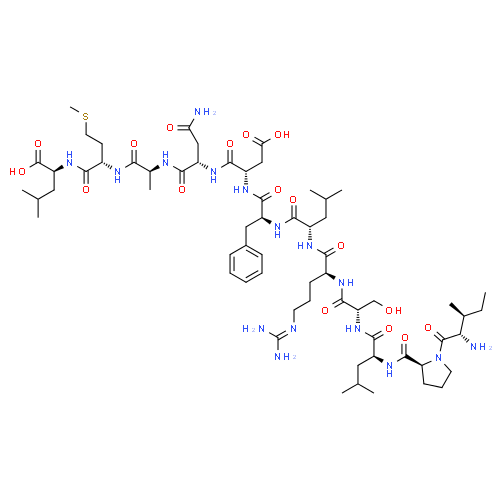
2D Structure
CAS Number
tag12629-01-5
Molecular Formula
scienceC990H1529N263O299S7
Molar Mass
science22,124 g/mol
Active Half-Life
science2-3 Hours
Anabolic/Androgenic Ratio
scienceN/A (Hormone)
CAS Number
science12629-01-5
bolt Mechanism of Action
Human Growth Hormone (HGH) is a peptide hormone that stimulates growth, cell reproduction, and cell regeneration. It increases IGF-1 levels, promoting systemic anabolism and fat loss.
- Hyperplasia: Can create new muscle cells (unlike steroids).
- Anti-Aging: Improves skin, hair, and sleep quality.
Glucose
Monitor fasting blood glucose.
medication Dosing Protocol
| Experience Level | Daily Dosage | Cycle Duration |
|---|---|---|
| Anti-Aging | 2-3 iu | Indefinite |
| Fat Loss | 4-6 iu | 6 Months+ |
| Mass | 8 iu+ | 6 Months+ |
* Effects are slow and cumulative. Months, not weeks.
security Safety Profile
warning Common Side Effects
-
water_drop
Water Retention
Carpal Tunnel Syndrome is common.
dangerous Severe/Rare Side Effects
-
blood_pressure
Insulin Resistance
Can raise blood glucose.
shopping_cart Related Products
Disclaimer: This content is for informational and educational purposes only. It does not constitute medical advice.