Clomid
Clinical Overview
Overview
Clomiphene (commonly administered as clomiphene citrate and marketed under trade names such as Clomid and Serophene) is a synthetic nonsteroidal selective estrogen receptor modulator (SERM) that has been used clinically for induction of ovulation since the 1960s. Initially developed as an oral fertility agent, clomiphene revolutionized management of anovulatory infertility by offering a simple outpatient treatment to trigger ovulation in women with polycystic ovary syndrome (PCOS) and other ovulatory disorders.
Beyond its primary gynecological uses, clomiphene has been used off‑label in men to treat hypogonadotropic hypogonadism or to restore endogenous testosterone production after suppression by exogenous androgens. Its property as an estrogen receptor antagonist in the hypothalamus makes it useful wherever augmentation of gonadotropin secretion (LH/FSH) is desired.
Drug classification
- Pharmacological class: Selective estrogen receptor modulator (SERM)
- Therapeutic class: Ovulation inducer; fertility agent
- Common formulations: Oral tablets, clomiphene citrate salt
Chemical Properties
Molecular structure and formula
- Active moiety: clomiphene is a triphenylethylene derivative and exists as a mixture of two geometric isomers (enclomiphene and zuclomiphene) that differ in pharmacokinetics and estrogenic/anti‑estrogenic activity.
- Base molecular formula: C26H28ClNO (clomiphene base)
- Clomiphene is most commonly administered as clomiphene citrate (salt). The citrate form has a different stoichiometric formula and molecular weight (approximate overall formula of clomiphene citrate is often represented as C32H36ClNO8, reflecting the citrate counterion in formulation), but pharmacologic activity is principally attributable to the clomiphene moiety.
Physical characteristics
- Appearance: White to off‑white crystalline powder (clomiphene citrate)
- Solubility: Practically insoluble in water; soluble in ethanol, methanol, and in organic solvents
- Chirality/isomerism: Composed of a mixture of two stereoisomers, (E)-clomiphene (enclomiphene) and (Z)-clomiphene (zuclomiphene). These isomers differ in receptor activity and elimination half‑life.
Ester type
- Not applicable. Clomiphene is not an esterified steroid; it is a nonsteroidal SERM of the triphenylethylene class.
Half‑life and detection time
- Plasma half‑life: Clomiphene demonstrates a biphasic elimination. The initial half‑life is on the order of days (commonly reported mean half‑life 5–7 days) while the terminal phase, particularly for the zuclomiphene isomer, can be substantially longer (up to several weeks in some reports).
- Detection: Due to enterohepatic recirculation and long‑lived metabolites, clomiphene and its metabolites can be detectable in biological matrices (blood/urine) for multiple weeks following administration. Detection windows vary with dose, assay sensitivity, and the isomer measured.
Mechanism of Action
How it works in the body
- Clomiphene is a selective estrogen receptor modulator with tissue‑specific agonist and antagonist activities. Its principal clinical action in infertility stems from its anti‑estrogenic activity in the hypothalamus (and, to some extent, the pituitary).
- By competitively binding estrogen receptors in the hypothalamus, clomiphene reduces the negative feedback exerted by endogenous estrogens. The hypothalamus responds by increasing pulsatile secretion of gonadotropin‑releasing hormone (GnRH), which in turn stimulates the anterior pituitary to secrete luteinizing hormone (LH) and follicle‑stimulating hormone (FSH).
- Increased LH and FSH promote follicular development and the LH surge necessary for ovulation.
Receptor binding and activity
- Clomiphene binds estrogen receptors ERα and ERβ with mixed agonist/antagonist effects that vary by tissue:
- Hypothalamus: primarily anti‑estrogenic → increased GnRH/LH/FSH
- Uterus and endometrium: variable partial agonist/antagonist effects; prolonged anti‑estrogenic action can sometimes negatively affect endometrial thickness
- Ovary: indirect stimulation via increased gonadotropins rather than direct agonist stimulation
- Enclomiphene (E‑isomer) tends to display more anti‑estrogenic effects and a shorter half‑life; zuclomiphene (Z‑isomer) has a longer half‑life and relatively more estrogenic activity in some tissues.
Anabolic/androgenic ratio
- Not applicable. Clomiphene is not an anabolic androgenic steroid and does not possess intrinsic anabolic or androgenic activity. Any increase in circulating testosterone seen in males treated with clomiphene is secondary to central stimulation of LH (and consequent testicular Leydig cell testosterone production).
Metabolic pathway
- Metabolism occurs primarily in the liver via oxidative pathways, producing several metabolites including N‑desmethylclomiphene; some metabolites retain pharmacologic activity.
- Excretion is primarily fecal (biliary elimination), with a small proportion excreted in urine. Enterohepatic recycling contributes to prolonged presence in the body.
Medical Information
Therapeutic applications
- Female infertility: First‑line oral therapy to induce ovulation in anovulatory women (e.g., PCOS) and to correct inadequate gonadotropin stimulation in select cases.
- Male hypogonadism: Off‑label use for men with secondary hypogonadotropic hypogonadism or to restore endogenous testosterone production following suppression by exogenous androgen therapy; increases LH and FSH leading to increased intratesticular testosterone and spermatogenesis.
- Other uses: Treatment of oligospermia in some cases, delayed puberty in males (select cases), and investigative uses in assisted reproductive technology protocols.
Typical dosage ranges
- Women (ovulation induction): Standard regimen is 50 mg orally once daily for 5 consecutive days, typically beginning on cycle day 2–5. If ovulation does not occur, doses may be increased to 100 mg/day in subsequent cycles; some protocols use up to 150 mg/day in refractory cases, but cumulative risks increase.
- Men (hypogonadism/low testosterone): Common off‑label regimens include 25–50 mg orally every other day or daily; alternative regimens use 50 mg every other day. Treatment duration is individualized and commonly spans several months to assess response.
- Dose adjustments: Determined by response (ovulation, sperm parameters, testosterone levels), tolerability, and adverse effects. Monitoring of ovarian response and luteal function is standard in women.
Administration routes
- Oral administration (tablets) is the established route; clomiphene is well absorbed orally.
Duration of use
- Women: Typical cyclical use for 5 days per menstrual cycle. The number of treatment cycles is limited by guidelines; prolonged continuous therapy is avoided due to risks (e.g., ovarian hyperstimulation, endometrial effects). Many clinicians limit use to 3–6 cycles without reassessment or alternative interventions.
- Men: Duration varies; clinical improvements in testosterone and symptoms are often seen within weeks to months. Long‑term use has been reported in specialized settings under medical supervision.
Safety Profile
Common side effects
- Vasomotor symptoms: hot flashes, flushing
- Gastrointestinal: nausea
- Neurological/psychiatric: headaches, mood swings, irritability
- Visual disturbances: blurred vision or visual scotomas; visual side effects may be reversible but require prompt cessation if they occur
- Gynecologic: heavier menses, ovarian enlargement, changes in cervical mucus, possible thin endometrium in some users
Serious adverse reactions
- Ovarian hyperstimulation syndrome (OHSS): rare but potentially serious; characterized by enlarged ovaries, abdominal pain, ascites, hemoconcentration, and in severe cases thromboembolic events and renal impairment
- Multiple gestation: increased risk of twins (and occasionally higher‑order multiples) due to multiple follicular development
- Thromboembolism: rare reports of venous thromboembolism; risk may be increased in patients with predisposing factors
- Persistent ovarian cysts: functional cysts may persist beyond treatment cycles
- Visual toxicity: rare persistent visual disturbances have been reported; persistent visual impairment is unusual but has been described
Drug interactions
- Estrogen-containing compounds: concurrent use of estrogens or compounds with strong estrogenic action can antagonize clomiphene’s effect by restoring negative feedback at the hypothalamus.
- Hormonal modulators: aromatase inhibitors (e.g., letrozole) compete for similar therapeutic goals (ovulation induction) and are alternative agents; combined or sequential use should be medically supervised.
- CYP interactions: clomiphene is metabolized hepatically; coadministration with strong inhibitors or inducers of hepatic enzymes could theoretically alter clomiphene levels, though clinically significant interactions are not extensively characterized.
- Drugs impacting vision or mood: caution when combining with agents that may exacerbate visual or neuropsychiatric adverse effects.
Contraindications
- Pregnancy: clomiphene is contraindicated in established pregnancy; it is used to induce ovulation and thus must not be continued once pregnancy is confirmed.
- Known hepatic disease or impairment: impaired hepatic metabolism may increase exposure.
- Uncontrolled thyroid or adrenal dysfunction: endocrine disorders should be corrected before use because they may impair response to therapy.
- Ovarian cysts of organic etiology (unexplained vaginal bleeding): must be evaluated prior to therapy.
- Hypersensitivity to clomiphene or any component of the formulation.
- Coexisting conditions predisposing to thromboembolism or uncontrolled hypertension require careful assessment.
Monitoring and precautions
- Women undergoing ovulation induction should have monitoring of ovarian response (clinical exam and ultrasound) and instruction to seek urgent care for severe abdominal pain or signs of OHSS.
- Visual symptoms merit immediate discontinuation and assessment.
- In men, testosterone levels, gonadotropins, and semen parameters are periodically monitored to assess efficacy and safety.
Legal Status
Regulatory classification
- Clomiphene citrate is a prescription‑only medication in most jurisdictions. It is regulated as a pharmaceutical agent indicated for ovulation induction and related fertility uses.
Prescription requirements
- Prescription required: clomiphene is typically prescribed by physicians (e.g., reproductive endocrinologists, gynecologists, urologists, and general practitioners) following clinical assessment and appropriate diagnostic workup.
- Controlled access: because clomiphene affects reproductive function and carries specific risks (e.g., OHSS, multiple pregnancy), office monitoring and informed consent are standard prior to initiation.
Sports anti‑doping status
- Clomiphene is listed by many anti‑doping authorities (including the World Anti‑Doping Agency, WADA) among substances banned in sport as a metabolic and endocrine modulator. It has been used illicitly to stimulate endogenous testosterone after anabolic steroid use and is therefore prohibited in and out of competition in many sports contexts. Athletes should consult applicable antidoping regulations and medical authorities regarding therapeutic use exemptions.
This entry summarizes key chemical, pharmacologic, therapeutic, and safety aspects of clomiphene (clomiphene citrate). Clinical use should be guided by current medical standards, monitoring protocols, and specialist input when indicated.
science Chemical Properties
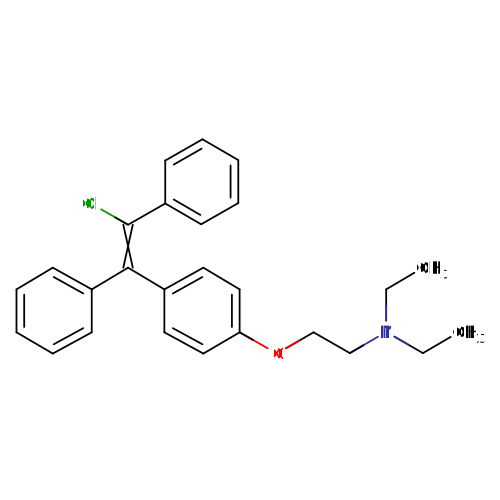
2D Structure
CAS Number
tag50-41-9
PubChem ID
scienceMolecular Formula
scienceC26H28ClNO
Molar Mass
science406.0 g/mol
Active Half-Life
science5-7 Days
Anabolic/Androgenic Ratio
scienceN/A (SERM)
CAS Number
science50-41-9
PubChem CID
science2808
bolt Mechanism of Action
Clomiphene Citrate (Clomid) is a SERM specifically used to stimulate the pituitary gland to release more gonadotropins (LH and FSH), jumpstarting natural testosterone.
- Restart: Stronger stimulation of HPTA/LH than Nolvadex.
- Fertility: Used clinically to boost sperm count.
Vision
Stop immediately if vision changes occur.
medication Dosing Protocol
| Experience Level | Daily Dosage | Cycle Duration |
|---|---|---|
| PCT | 50 mg | 4 Weeks |
* High doses (100mg+) cause more side effects without more benefit.
security Safety Profile
warning Common Side Effects
-
psychology
Emotional
Depression/Moodiness is very common.
dangerous Severe/Rare Side Effects
-
visibility
Vision Tracers
Permanent eye floaters possible at high doses.
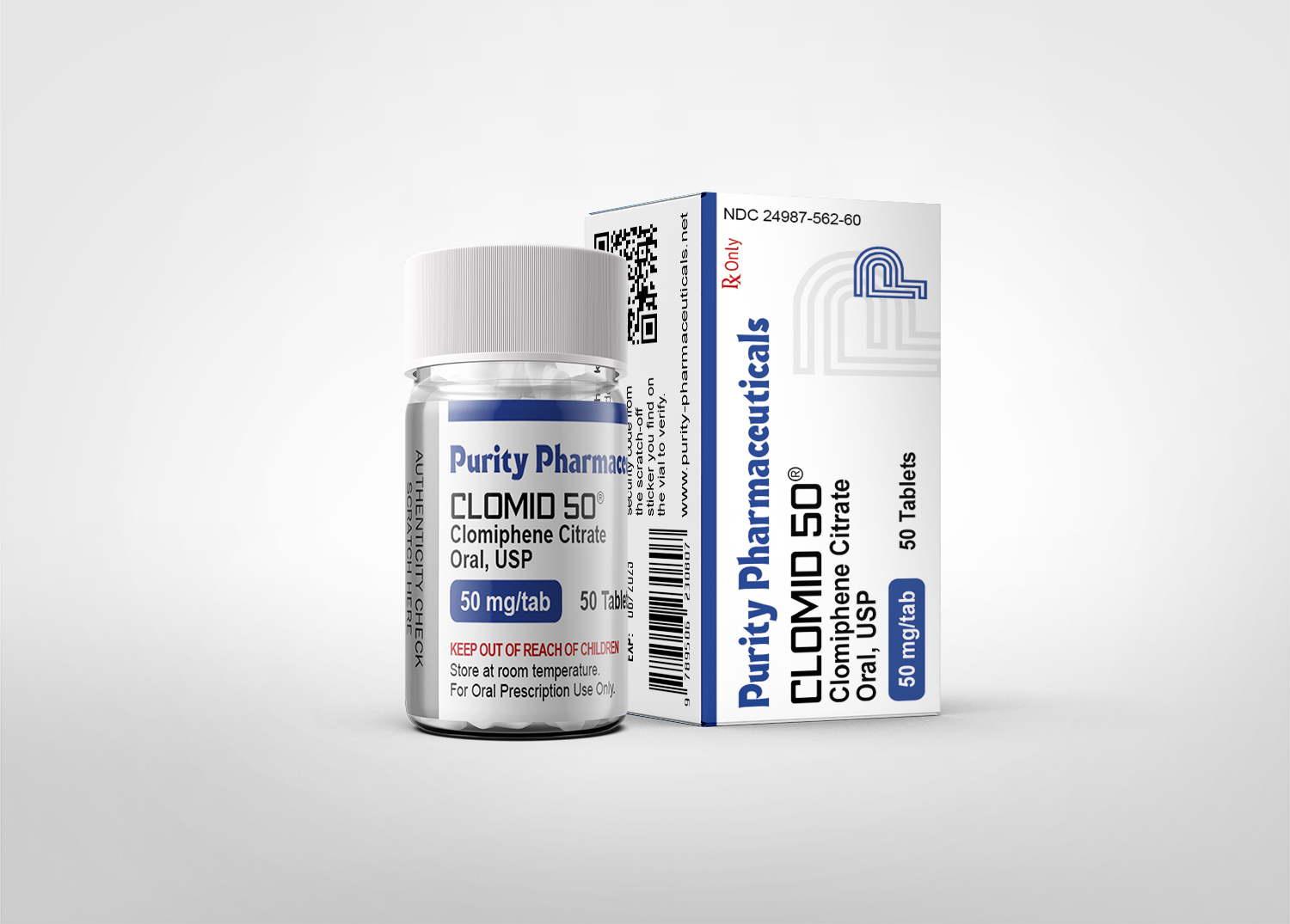
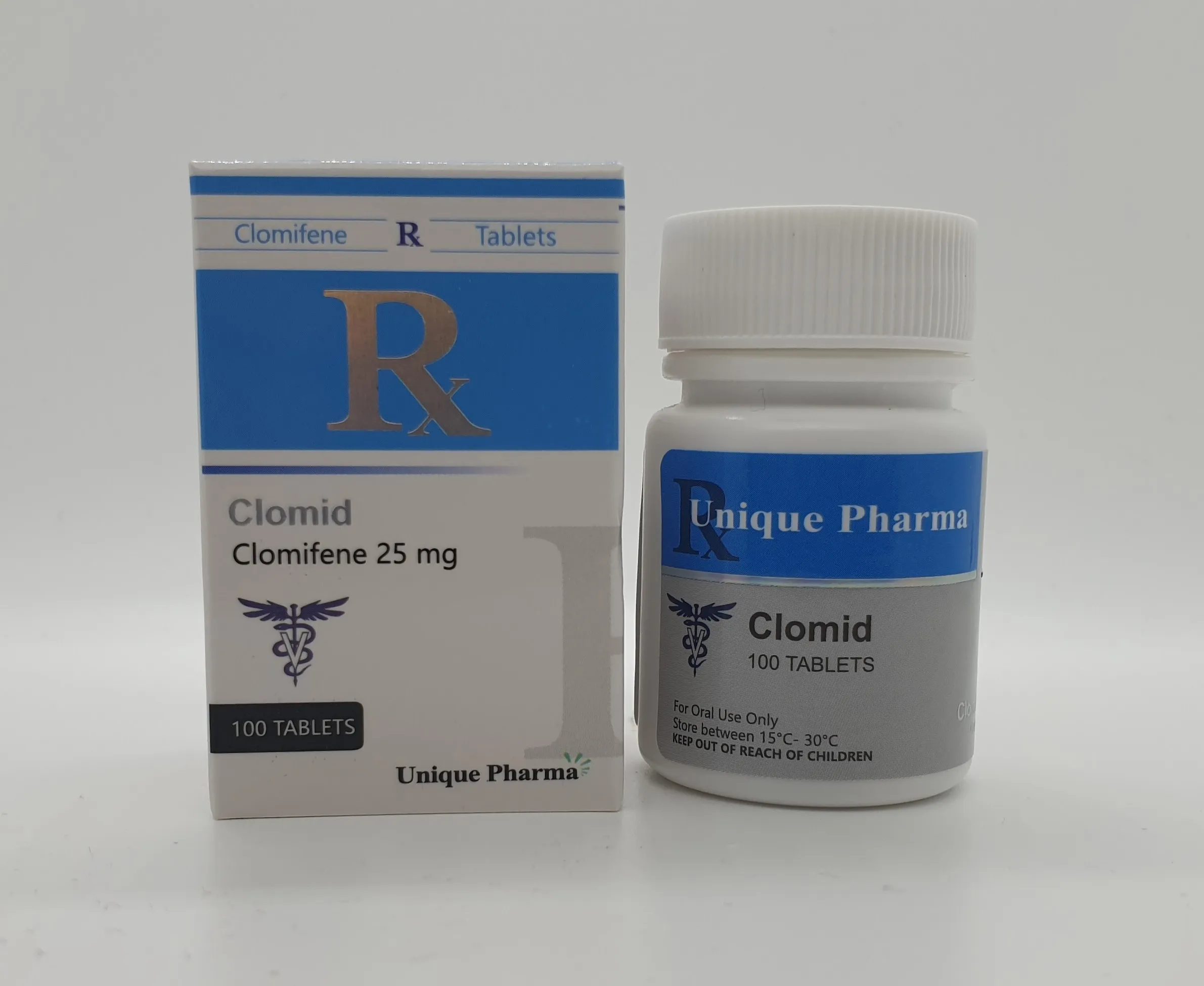
shopping_cart Related Products
Disclaimer: This content is for informational and educational purposes only. It does not constitute medical advice.