Anadrol (Oxymetholone)
Clinical Overview
Overview
Anadrol (generic name: oxymetholone) is a synthetic anabolic–androgenic steroid (AAS) first synthesized in the 1950s. It was developed to produce a potent oral anabolic agent that could stimulate erythropoiesis and promote weight gain in catabolic states. Marketed under the trade name Anadrol among others, oxymetholone has a history of therapeutic use in hematologic disorders and wasting syndromes and has also been used illicitly in sport and bodybuilding for its powerful anabolic effects.
Common medical uses have historically included the treatment of certain anemias (especially aplastic anemia, myelofibrosis, and other hypoplastic anemias), recovery from severe catabolic states, and off‑label management of wasting in chronic disease. In the context of performance enhancement, oxymetholone is sought for rapid gains in body weight and strength due to marked increases in muscle mass and fluid retention. Drug classification: oxymetholone is a 17α‑alkylated oral anabolic–androgenic steroid.
Chemical Properties
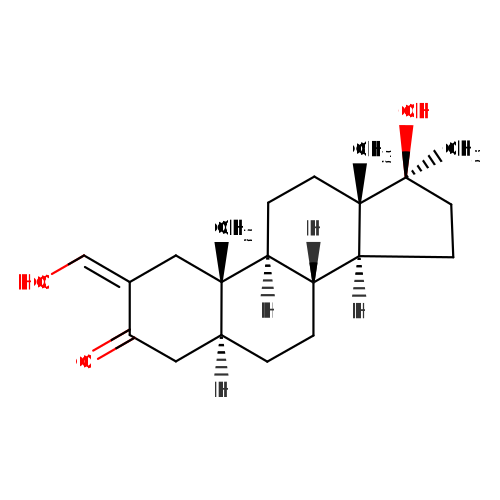
- Chemical name: oxymetholone (17α‑methyl‑2‑hydroxy‑methylene‑17β‑hydroxy‑5α‑androstane‑3‑one; multiple synonyms used in literature)
- Molecular formula: C21H32O3
- Molecular weight: ~332.48 g·mol−1
- Chemical class: 17α‑alkylated androgen/anabolic steroid (derived from dihydrotestosterone derivatives)
- Physical form: administered clinically as oral tablets; the pure compound is described as a crystalline powder
- Ester type: none — oxymetholone is an unesterified, orally active 17α‑alkylated steroid
- Half‑life: reported elimination half‑life is generally in the range of 8–9 hours in humans; plasma half‑life can vary with formulation and individual metabolism
- Detection time: metabolites can be detected in urine for prolonged periods after cessation; detection windows in doping tests have been reported from several weeks up to a few months depending on the sensitivity of the assay and dose/duration of use
Note: specific physical constants such as melting point may vary with crystalline form and supplier; reported values in the literature should be consulted for analytic or formulation work.
Mechanism of Action
- Androgen receptor activation: Oxymetholone exerts its effects primarily by binding to and activating the intracellular androgen receptor (AR). AR activation increases transcription of androgen‑responsive genes that promote muscle protein synthesis, nitrogen retention, and other anabolic processes.
- Anabolic effects: Compared with testosterone, oxymetholone has a disproportionately strong anabolic effect in some tissues, contributing to increased muscle mass and body weight. Reported relative anabolic potency in some assay systems is high; however, exact anabolic/androgenic ratio estimates vary between studies and models.
- Androgenic effects: Oxymetholone retains androgenic activity and can produce virilizing effects (acne, hirsutism, voice changes) especially in women and adolescents. Its androgenicity is generally lower than some other DHT‑derived steroids but clinically significant.
- Erythropoiesis: Oxymetholone stimulates erythropoiesis (red blood cell production), an effect that underlies its historical use in certain anemias. Mechanisms include direct stimulation of bone marrow precursors and indirect increases in erythropoietin production.
- Estrogenic and progestogenic considerations: Oxymetholone is a 17α‑alkylated steroid and is not substantially aromatized to estrogens by aromatase. Nevertheless, clinical reports indicate that it can produce estrogen‑like effects (fluid retention, gynecomastia) — these may result from non‑aromatase pathways, direct effects on estrogen or progesterone receptors, or alterations in corticosteroid metabolism and fluid balance.
- Metabolic pathway: Oxymetholone is extensively metabolized in the liver via reduction, hydroxylation, and conjugation. Being 17α‑alkylated confers oral bioavailability but also increases potential for hepatotoxicity due to decreased hepatic metabolism and cholestatic tendencies.
Medical Information
Therapeutic applications
- Approved/established uses in the past: treatment of certain forms of anemia (e.g., aplastic anemia, anemia of renal failure not corrected by erythropoietin alone historically), treatment of wasting and severe weight loss in catabolic states, and short‑term use to promote weight gain after extensive surgery or chronic infection where other treatments are insufficient.
- Off‑label uses reported in the literature have included bone density support, recovery from significant trauma or burns, and certain cachectic states; contemporary clinical practice often favors alternative agents with more favorable safety profiles.
Typical dosage ranges
- Therapeutic dosages historically have varied by indication and patient characteristics. Typical adult therapeutic doses reported in clinical literature are in the range of 1–5 mg/kg/day or fixed doses often between 25–100 mg/day for anemia treatment. In some regimens doses up to 150 mg/day have been used, but higher doses markedly increase adverse effect risk.
- In performance contexts, considerably higher doses have been used illicitly (e.g., 50–200+ mg/day), which increases the incidence and severity of side effects.
Administration routes
- Oral administration is the standard and clinically used route due to 17α‑alkylation conferring adequate oral bioavailability. There is no clinically used injectable ester form.
Duration of use
- Therapeutic courses are typically limited to the minimum duration required to achieve hematologic or anabolic endpoints, often weeks to a few months. Long‑term continuous use is limited by safety concerns, particularly hepatotoxicity and adverse cardiovascular and endocrine effects.
Safety Profile
Common side effects
- Hepatotoxicity: 17α‑alkylated steroids like oxymetholone can cause elevated liver enzymes, cholestatic jaundice, and in rare cases hepatic peliosis, benign and malignant liver tumors. Liver function should be monitored during therapy.
- Fluid retention and edema: marked sodium and water retention is common and contributes to rapid weight gain and potential exacerbation of hypertension and heart failure.
- Cardiovascular effects: adverse lipid profile changes (decreased HDL, increased LDL), hypertension, and increased risk factors for atherosclerotic disease.
- Androgenic/virilizing effects: acne, oily skin, male pattern hair changes, increased body hair, voice deepening and clitoromegaly in women; testicular atrophy and reduced spermatogenesis in men due to suppression of the hypothalamic–pituitary–gonadal (HPG) axis.
- Gynecomastia: despite limited aromatization, gynecomastia can occur, possibly via progestogenic activity or other mechanisms.
Serious adverse reactions
- Severe hepatic injury including cholestasis, hepatic adenomas, and hepatocellular carcinoma (rare).
- Worsening of preexisting cardiac disease, congestive heart failure due to fluid retention and adverse lipid changes.
- Thromboembolic events have been associated with anabolic steroid use in some case reports.
- Severe virilization in women and children, and irreversible voice deepening and clitoral enlargement if exposure occurs during development.
Drug interactions
- Hepatic metabolism: oxymetholone is metabolized in the liver and can interact with other hepatically cleared drugs. Co‑administration with other hepatotoxic agents (e.g., high‑dose acetaminophen, other 17α‑alkylated steroids) increases hepatic risk.
- Anticoagulants: oxymetholone can alter the effects of oral anticoagulants (warfarin) by changing hepatic synthesis of clotting factors or hepatic metabolism of anticoagulants, necessitating monitoring and dose adjustments.
- Insulin and oral hypoglycemics: anabolic steroids may alter glucose tolerance and insulin sensitivity; diabetic patients may require dose adjustment.
- Corticosteroids and mineralocorticoids: additive effects on fluid balance and blood pressure may occur.
Contraindications
- Pregnancy and lactation: teratogenic and virilizing effects — use is contraindicated in pregnant women.
- Known or suspected carcinoma of the prostate or breast (in males and females respectively) due to androgen‑responsive tumor growth potential.
- Preexisting liver disease (active hepatic dysfunction, cholestasis) — use contraindicated or to be avoided because of hepatotoxic potential.
- Boys and adolescents with maturation still progressing: risk of premature epiphyseal closure and virilization.
- Significant cardiovascular disease and uncontrolled hypertension.
Monitoring considerations during therapy
- Regular liver function tests (AST, ALT, bilirubin), lipid profile, blood pressure, and hematologic parameters (CBC, hematocrit) are generally recommended when oxymetholone is used clinically.
- Assessment of endocrine function (testosterone levels, gonadotropins) and monitoring for signs of virilization or edema.
Legal Status
- Regulatory classification: In many countries oxymetholone is classified as a controlled substance due to its potential for abuse and adverse health effects. For example, in the United States oxymetholone is listed as a Schedule III controlled substance under the Controlled Substances Act. National classifications vary.
- Prescription requirements: Where marketed for medical use, oxymetholone is available by prescription only and is typically limited to specific indications under physician oversight; distribution is regulated.
- Sports anti‑doping status: Oxymetholone is prohibited in competitive sport by major anti‑doping organizations, including the World Anti‑Doping Agency (WADA). It is listed among banned anabolic agents; detection in competition or out‑of‑competition testing is a violation of doping regulations.
Summary
Oxymetholone (Anadrol) is a potent orally active 17α‑alkylated anabolic–androgenic steroid with a prominent history of use in treating certain anemias and catabolic states and a documented profile of substantial anabolic efficacy. Its pharmacologic actions include androgen receptor activation, stimulation of erythropoiesis, and marked fluid retention. Clinically relevant adverse effects—most notably hepatotoxicity, cardiovascular risk factors, and virilization—limit the duration and contexts in which oxymetholone is used. It is a regulated prescription medication in many jurisdictions and is prohibited in competitive sports by anti‑doping authorities.
science Chemical Properties
2D Structure
CAS Number
tag434-07-1
PubChem ID
scienceMolecular Formula
scienceC21H32O3
Molar Mass
science332.5 g/mol
Active Half-Life
science8-9 Hours
Anabolic/Androgenic Ratio
science320:45
CAS Number
science434-07-1
bolt Mechanism of Action
Oxymetholone is considered one of the most potent oral steroids. It promotes massive size and strength but comes with significant water retention and side effects.
- Sheer Power: Unrivaled strength gains among orals.
- Erythropoiesis: Massively increases red blood cell count.
Blood Pressure
Monitor BP daily. It will spike.
medication Dosing Protocol
| Experience Level | Daily Dosage | Cycle Duration |
|---|---|---|
| Beginner | 50 mg | 4-6 Weeks |
| Intermediate | 50-100 mg | 4-6 Weeks |
| Advanced | 100 mg+ | 4-6 Weeks |
* Do not exceed 6 weeks due to liver stress.
security Safety Profile
warning Common Side Effects
-
water_drop
Water Retention
Severe bloating and blood pressure spikes.
-
restaurant
Appetite Suppression
Can kill appetite at high doses.
dangerous Severe/Rare Side Effects
-
medical_services
Liver Toxicity
Extremely hepatotoxic.
shopping_cart Related Products
Disclaimer: This content is for informational and educational purposes only. It does not constitute medical advice.